
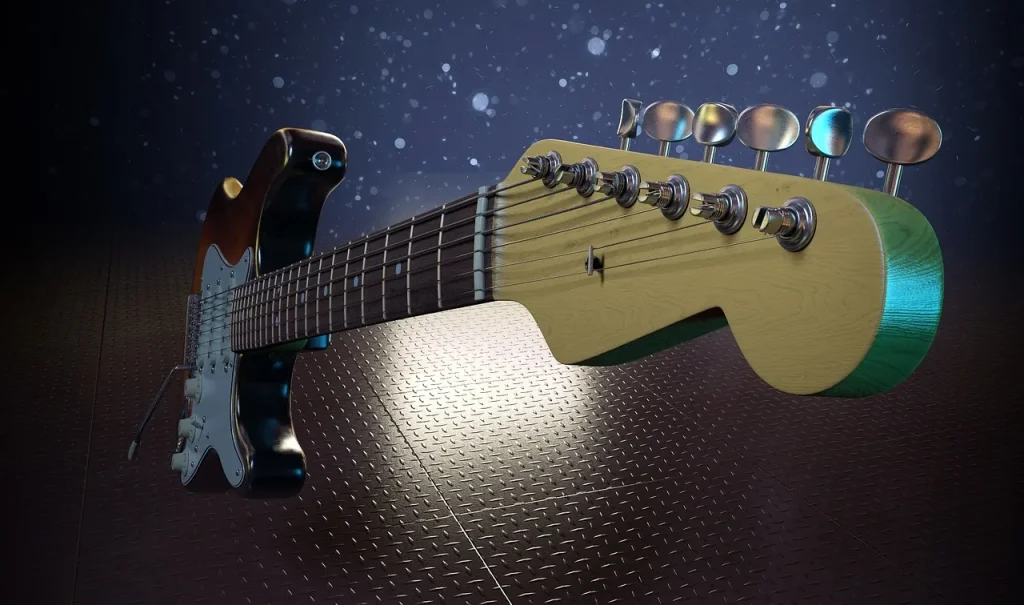
Progressive rock, also known as prog rock, is a subgenre of rock music that emerged in the United Kingdom and Germany in the late 1960s. It developed across Europe and around the world during the 1970s. Progressive rock has its roots in psychedelic rock and is distinguished by its artistic and instrumental approach. It features rhythmic, harmonic and instrumental experimentation, as well as the use of synthesizers, guitars and electric bass guitars. Progressive rock artists played a major role in the evolution of music by influencing other musical genres, such as progressive metal, symphonic rock, art rock and post-rock.
The origins and characteristics of progressive rock
Progressive rock is a musical genre that emerged in the late 1960s and has its roots in psychedelic rock, avant-garde music, jazz fusion and classical music. It is distinguished by its artistic and instrumental approach and by its use of characteristic instruments such as the electric guitar, bass guitar, drums, keyboard and synthesizer.
Progressive rock is also characterized by complex compositions and unconventional musical structures. Its artists explore innovative rhythms, harmonies and instrumental arrangements, combining melodic vocal passages with extended instrumental exploration.
Alongside traditional rock instruments, progressive rock often incorporates instruments less commonly used in the genre, such as the flute, saxophone, violin and vibraphone. These instruments add another dimension to the music and create varied, distinctive textures.
Typical progressive rock instruments:
- Electric guitar
- Bass guitar
- Drums
- Keyboard
- Synthesizer
Progressive rock contributed greatly to the evolution of music and paved the way for many other musical genres. Its musical complexity, blend of diverse influences and innovative instrumentation encouraged many artists to push musical boundaries, leaving a lasting legacy in music history.
| Musical genre | Progressive rock influences |
|---|---|
| Jazz | Harmonic exploration and improvisation |
| Classical music | Use of symphonic instruments and orchestral arrangements |
| Symphonic rock | Combination of rock and classical elements |
| Progressive metal | Musical complexity and instrumental experimentation |
| Art rock | Artistic and conceptual approach |
| Post-rock | Instrumental exploration and unconventional structures |
The rise and decline of progressive rock
Progressive rock reached its peak in the 1970s, becoming a major musical movement with worldwide influence. Leading bands such as The Nice, Yes, King Crimson, Genesis and Pink Floyd played essential roles in developing and popularizing the genre. These progressive rock artists created complex, innovative compositions that pushed beyond the limits of conventional rock. Their inventive use of instruments, unconventional musical structures and extended instrumental exploration helped define the characteristic sound of progressive rock.
From the late 1970s onward, however, progressive rock began to decline as new musical movements such as punk and new wave emerged. These movements called for a return to rock’s simplicity and authenticity, in contrast to the sophistication and complexity of progressive rock. Progressive rock was also criticized as pretentious and elitist, contributing to its decline.
Even so, progressive rock continued to evolve in different forms. The neo-progressive movement emerged in the 1980s, offering a more accessible and commercial approach to the genre. Bands such as Marillion, IQ and Pendragon became prominent representatives of neo-progressive rock. Other forms of progressive rock, including new prog and post-prog, also emerged, showing that the genre remained alive and continued to evolve.
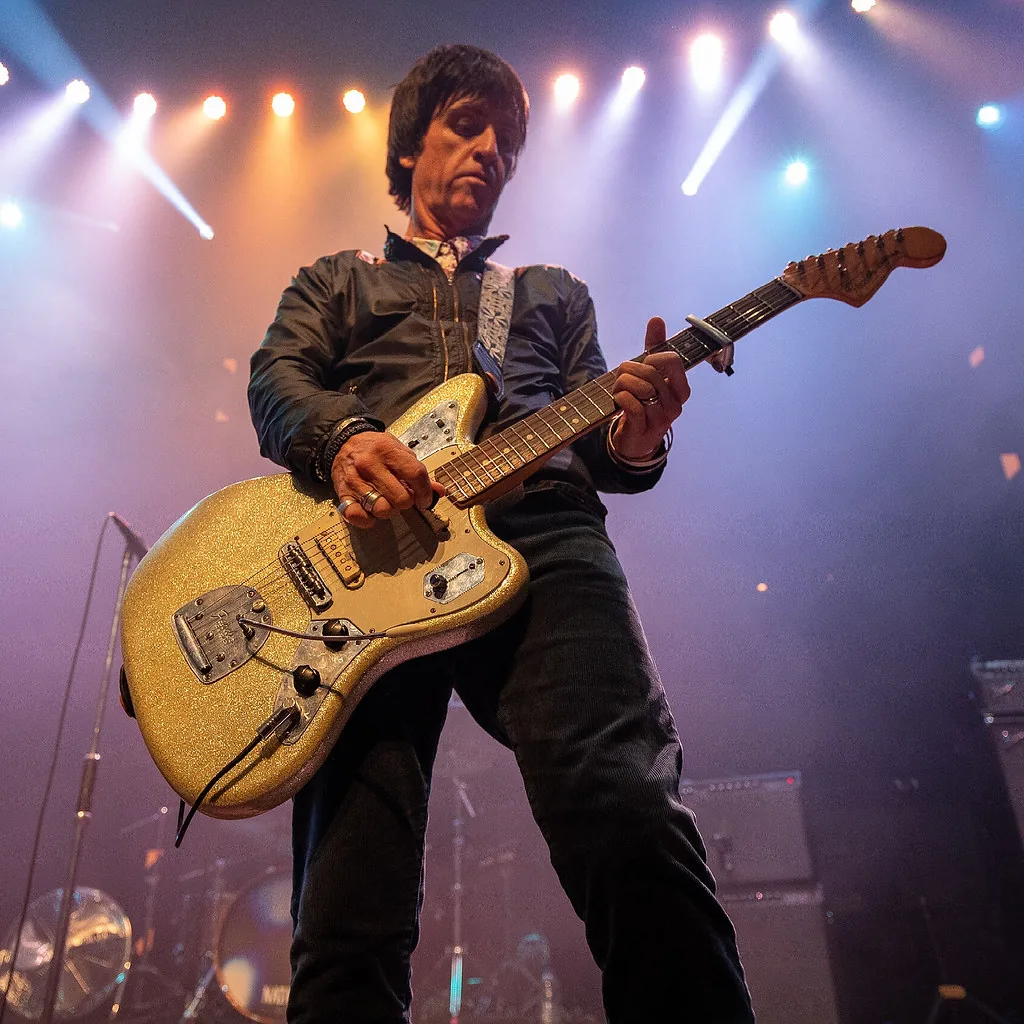
In short, progressive rock’s 1970s peak was followed by a decline, largely because of the emergence of new musical movements. Nevertheless, progressive rock left a lasting mark on music history and influenced artists across many genres. Its musical complexity, artistic ambition and instrumental exploration opened the way to new forms of musical expression. Today, progressive rock remains popular with listeners who enjoy sophisticated and innovative music.
Progressive rock’s influence on other musical genres
Progressive rock has had a significant influence on other musical genres, including jazz, classical music, symphonic rock, progressive metal, art rock and post-rock. Its rhythmic, harmonic and instrumental experiments opened new creative paths and encouraged many artists to push musical boundaries.
In jazz, progressive rock contributed to the introduction of complex musical structures and long instrumental solos. Artists and groups such as Miles Davis and Weather Report incorporated elements of progressive rock into their music, blending improvisation with sophisticated arrangements. Classical music was also influenced by progressive rock, particularly through contemporary composers such as Steve Reich and Philip Glass, who incorporated rhythms and textures associated with the genre into their compositions.
Symphonic rock is a genre that developed directly from progressive rock. It is characterized by the use of symphony orchestras and structures more complex than those of traditional rock. Bands such as Genesis, Yes and Emerson, Lake and Palmer paved the way for symphonic rock, which became a major influence on many contemporary artists.
Progressive metal is another genre that owes much to progressive rock. Bands such as Dream Theater and Opeth incorporated progressive rock elements into their compositions, combining technical, complex passages with heavy, powerful guitar riffs. Art rock and post-rock were also influenced by progressive rock, adopting experimental and innovative approaches.
| Musical genre | Influenced artists and groups |
|---|---|
| Jazz | Miles Davis, Weather Report |
| Classical music | Steve Reich, Philip Glass |
| Symphonic rock | Genesis, Yes, Emerson, Lake and Palmer |
| Progressive metal | Dream Theater, Opeth |
| Art rock | Talking Heads, Roxy Music |
| Post-rock | Explosions in the Sky, Godspeed You! Black Emperor |
Instrumentation and album covers in progressive rock
Progressive rock stands out for its complex compositions, unconventional musical structures and varied, unusual instrumentation. Keyboards play a major role: they provide a diverse range of sounds and add harmonic depth and texture to the music. Keyboards commonly used in progressive rock include the piano, Hammond organ, Mellotron and synthesizers. They allow artists to create distinctive atmospheres, complex melodies and expressive solos, adding depth and richness to their compositions.
Beyond keyboards, progressive rock often includes instruments used less commonly in rock. The flute, saxophone, violin and vibraphone are examples found in progressive rock bands. They bring a distinctive sound and allow artists to explore a wider range of textures and timbres. They add subtle nuances and details to the music, creating an immersive and engaging listening experience.
“The use of unconventional instruments in progressive rock offers unlimited creative freedom, allowing artists to experiment and innovate in their music. It creates unique soundscapes and compositions that transcend musical genre boundaries,” says John Smith, a musician and progressive rock fan.
In addition to its varied instrumentation, progressive rock is known for its elaborate, carefully designed album covers. Progressive rock album covers are works of art in their own right, often linked to themes explored in the music. They use intricate artwork, symbolic imagery and cryptic messages to create a visual experience that complements listening to the album. These illustrations are an integral part of progressive rock’s visual identity and contribute to its artistic and conceptual character.
| Instruments | Examples of progressive rock bands |
|---|---|
| Keyboards | Yes, Emerson Lake and Palmer, Genesis |
| Flute | Jethro Tull |
| Saxophone | Van der Graaf Generator |
| Violin | King Crimson |
| Vibraphone | Gentle Giant |
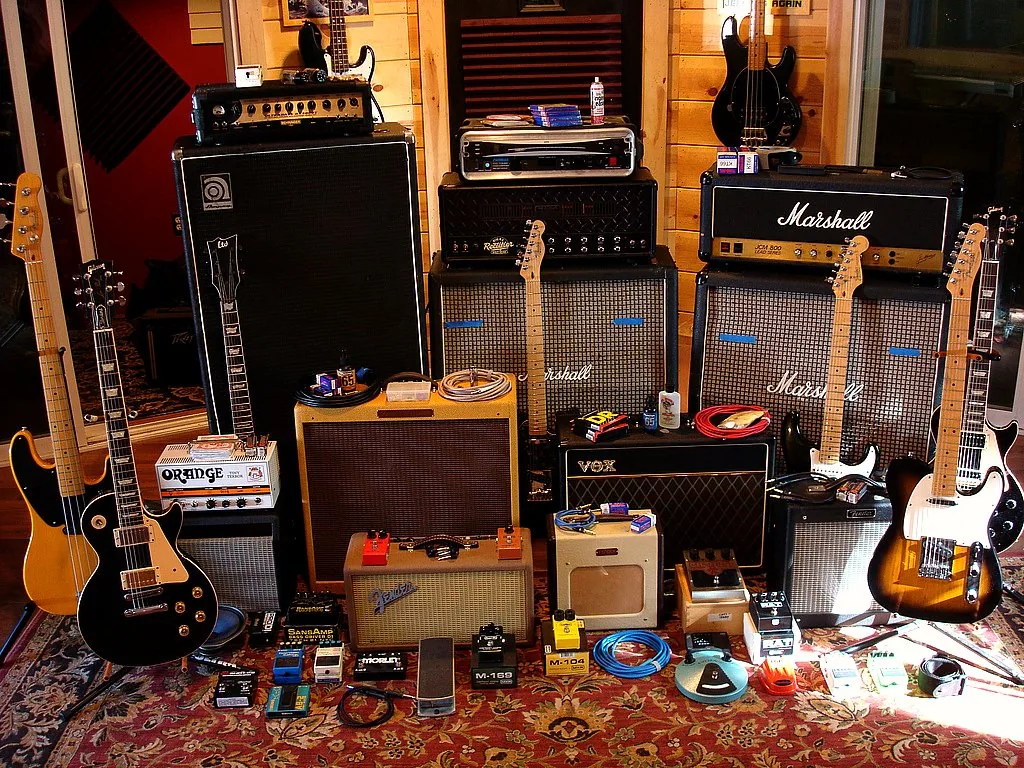
Instruments in progressive rock
In progressive rock, diverse instrumentation and elaborate album covers are key elements of the genre’s richness and creativity. These features allow artists to push musical boundaries and create bold, innovative compositions. Through its varied keyboards, unconventional instruments and elaborate album covers, progressive rock continues to inspire and fascinate listeners who enjoy sophisticated and innovative music.
Conclusion
Progressive rock played an essential role in the evolution of music by influencing many musical genres. Its musical complexity and instrumental experimentation opened new artistic possibilities. Its varied influences can be heard in genres such as jazz, classical music, symphonic rock, progressive metal, art rock and post-rock.
Although progressive rock experienced a decline in the late 1970s, it continued to evolve in different forms. Many artists still draw inspiration from it today, and the genre remains popular with listeners who enjoy sophisticated and innovative music.
Through its lasting influence on musical development, progressive rock has left its mark on music history and continues to influence artists around the world. Its musical legacy and creative exploration will continue to inspire new generations of artists and music lovers.
FAQ
How has progressive rock influenced other musical genres?
Progressive rock has had a significant influence on other musical genres, including jazz, classical music, symphonic rock, progressive metal, art rock and post-rock. Its rhythmic, harmonic and instrumental experiments opened new creative paths and encouraged many artists to push musical boundaries.
What are the origins and characteristics of progressive rock?
Progressive rock is a subgenre of rock music that emerged in the late 1960s from psychedelic rock, avant-garde music, jazz fusion and classical music. It is distinguished by its artistic and instrumental approach. It uses characteristic instruments such as the electric guitar, bass guitar, drums, keyboard and synthesizer, as well as instruments less conventional in rock, including the flute, saxophone, violin and vibraphone.
When did progressive rock reach its peak and decline?
Progressive rock reached its peak in the 1970s with leading bands such as The Nice, Yes, King Crimson, Genesis, Pink Floyd, Supertramp, Emerson Lake and Palmer, Soft Machine, Electric Light Orchestra, Jethro Tull, Tangerine Dream and Camel. From 1977 onward, however, progressive rock began to decline as the punk music movement and new wave emerged. The genre nevertheless continued to evolve in forms such as neo-progressive rock, new prog and post-prog.
How has progressive rock influenced other musical genres?
Progressive rock has influenced many other musical genres, including jazz, classical music, symphonic rock, progressive metal, art rock and post-rock. Its rhythmic, harmonic and instrumental experiments opened new artistic possibilities and encouraged many artists to push musical boundaries.
What roles do instrumentation and album covers play in progressive rock?
Progressive rock is characterized by varied, unconventional instrumentation. Alongside standard rock instruments such as guitar, bass and drums, it often includes keyboards such as the piano, Hammond organ, Mellotron and synthesizers. Instruments less commonly used in rock, such as the flute, saxophone, violin and vibraphone, also frequently appear. Progressive rock album covers are known for their elaborate, carefully designed artwork, with illustrations and complex messages often connected to the themes explored in the music.