

Visual aesthetics play an essential role in the world of progressive rock. Album covers and concert stage designs are key elements of these aesthetics.
Progressive rock bands often commission complex, original artwork for their album covers, using illustrations, photographs and visually striking patterns.
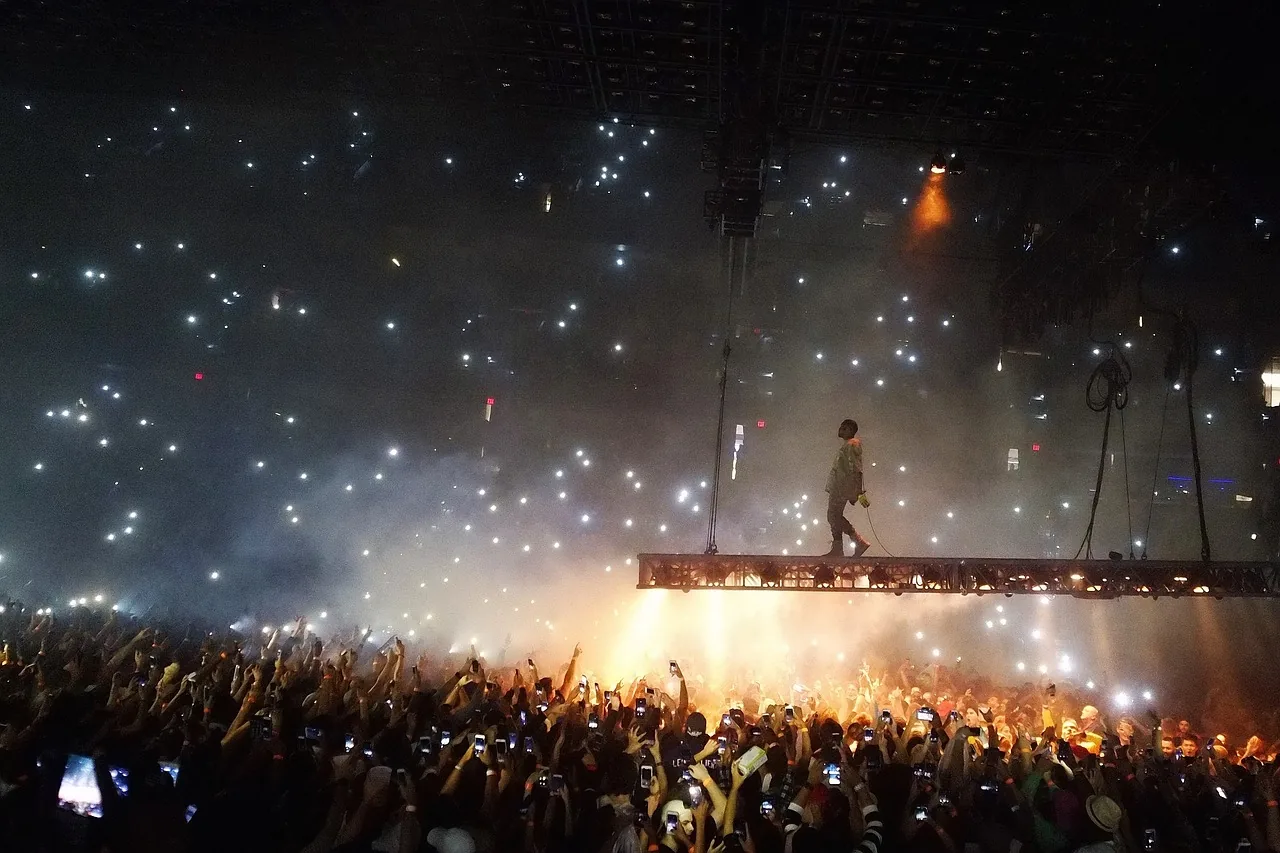
Furthermore, progressive rock concert stage designs are often grand and visually captivating. They combine sets, lighting and visual projections to give audiences an immersive experience.
The influence of progressive rock on visual aesthetics
Progressive rock has played a major role in the development of visual aesthetics in music. By pushing the boundaries of creativity and artistic expression, progressive rock bands brought innovative concepts and avant-garde work to their album covers and concert stage designs. This complex, artistic visual aesthetic focuses on expressing the musical and visual identity of the band.
Many progressive rock bands have worked with renowned visual artists to create remarkable album covers and distinctive concert stage designs. These collaborations produced visual works that reflect the spirit of progressive rock. Complex graphics, imaginative illustrations and evocative photographs helped establish the genre’s iconic image.
“The visual aesthetics of progressive rock are a true extension of the musical experience. Album covers and concert stage designs are essential visual elements for conveying artists’ creative intentions and forging a deep connection with audiences.”
By exploring new artistic directions, progressive rock paved the way for bold forms of visual expression. Album covers may feature abstract patterns, meaningful symbols and visually striking compositions. Concert stage designs often use vivid colours, lighting effects and special effects to give audiences immersive, sensory experiences.
Example table: a comparison of progressive rock album covers
| Band | Album | Year |
|---|---|---|
| Pink Floyd | The Dark Side of the Moon | 1973 |
| Yes | Fragile | 1971 |
| Genesis | The Lamb Lies Down on Broadway | 1974 |
This table compares several iconic progressive rock album covers. Each visual work is unique and represents the aesthetics of its band and album. These covers have become icons of the visual art associated with progressive rock.
Album covers in progressive rock
Progressive rock album covers do far more than protect records. They are works of art that capture the essence of the music and the identity of progressive rock bands. More than simple images, these covers are complex artistic creations that reflect the genre’s bold concepts and varied influences.
Progressive rock album cover designs are known for their originality and aesthetic ambition. They often feature intricate illustrations, evocative photographs and abstract patterns that suggest the band’s musical world. Each cover is unique and serves as a visual gateway into the sound and artistic world of progressive rock.
Progressive rock album covers may also contain symbolic elements that reinforce the music’s message. These symbols invite different interpretations and allow listeners to explore the musical experience more deeply, discovering new visual details with each listen.
| Iconic progressive rock album covers | Release year |
|---|---|
| The Dark Side of the Moon | 1973 |
| In the Court of the Crimson King | 1969 |
| Selling England by the Pound | 1973 |
Iconic progressive rock album covers have often become icons in their own right. Works such as Pink Floyd’s “The Dark Side of the Moon,” King Crimson’s “In the Court of the Crimson King” and Genesis’s “Selling England by the Pound” have left their mark on music history and are inseparable from the genre’s visual aesthetics.
In conclusion, progressive rock album covers are far more than packaging. They are visual works that complement and enrich the musical experience. Their graphic and artistic designs reflect the essence of this bold, innovative genre.
Concert stage design in progressive rock
Concert stage designs are essential to the visual experience progressive rock offers its audiences. Bands take great care to create settings that immerse spectators in a captivating visual world. Vivid colours and complex graphics characterise these designs and create a theatrical, immersive atmosphere.
Progressive rock concert stage designs go beyond lighting and sets. They also incorporate visual projections and stage performances that add another dimension to the audience’s experience. Projections may show evocative images, abstract animations or imagery related to themes in the music. Together, these elements create a rich, visually stimulating atmosphere.
Progressive rock concert stage designs offer a true visual spectacle. They transport audiences to another world, where colours, graphics and stage performances combine to create an unforgettable experience. — Progressive rock critic
The impact of colour and graphic design
Colours used in progressive rock concert stage designs are often vivid and intense. They create striking visual contrasts and stir emotions in the audience. Complex graphics add an artistic dimension to the overall stage design. Abstract patterns and innovative graphic work often give visual form to musical concepts and themes explored in the songs.
In conclusion, concert stage designs are essential to the visual experience progressive rock offers its audiences. Vivid colours, complex graphics and captivating stage performances create a theatrical, immersive atmosphere. These designs transport spectators to another visual world, where music and imagery complement each other to create an unforgettable experience.
The evolution of visual aesthetics in progressive rock
Visual aesthetics in progressive rock have undergone a remarkable evolution, reflecting changes in the music and its bands. Across the decades, a range of aesthetic trends, individual artistic choices and visual influences have emerged. Progressive rock bands have sought to push the boundaries of visual creativity through new, avant-garde approaches to album covers and concert stage designs. This aesthetic evolution has helped them create unique visual identities and enrich the overall musical experience.
The 1970s were a pivotal period for progressive rock’s visual aesthetics. Album covers from that era often featured intricate, evocative illustrations reflecting lyrical themes and album concepts. Iconic albums such as Pink Floyd’s “The Dark Side of the Moon” and Yes’s “Close to the Edge” have covers that became icons of progressive rock’s visual identity. Concert stage designs of the period were equally grand, with theatrical lighting and spectacular sets.
Over the following decades, progressive rock’s visual aesthetics continued to evolve in response to each era’s artistic influences and trends. Album covers incorporated more realistic photography, abstract patterns, minimalist designs and graphic experimentation. Concert stage designs also developed, incorporating advanced audiovisual technology, immersive projections and spectacular performances.
Today, progressive rock’s visual aesthetics continue to reinvent themselves by combining classic and contemporary approaches. Bands explore new forms of visual expression through digital techniques, interactive imagery and collaborations across artistic disciplines. Visual aesthetics remain an essential way for bands to communicate their artistic and musical identity while offering audiences an immersive, stimulating experience.
| Period | Aesthetic trends | Influences |
|---|---|---|
| 1970s | Intricate illustrations, grand stage designs | Progressive movement, lyrical concepts |
| 1980s | Realistic photography, minimalist designs | Pop art, neo-progressive movement |
| 1990s | Graphic experimentation, abstract patterns | Contemporary art, post-rock movement |
| Today | Combination of classic and contemporary approaches | Digital technology, multimedia art |
The importance of visual aesthetics to the progressive rock experience
Visual aesthetics play an essential role in the progressive rock experience. They create an immersive, stimulating atmosphere, helping listeners connect visually with the music and enjoy a fuller, more engaging experience. Album covers and concert stage designs are key parts of these visual aesthetics and strengthen bands’ artistic and musical identities.
Progressive rock album covers go beyond promotional material. Often considered works of art in their own right, their designs visually represent the music and the band’s identity. They may feature intricate illustrations, evocative photographs, abstract patterns or meaningful symbols. They are integral to the listening experience and contribute to the genre’s overall aesthetic.
Likewise, progressive rock concert stage designs are often spectacular and visually impressive. Bands combine sets, lighting, visual projections and stage performances to give audiences immersive, sensory experiences. Their designs often use vivid colours, abstract patterns and complex graphics to create a theatrical, captivating atmosphere. They are integral to the visual and musical experience of progressive rock.
In short, visual aesthetics are central to the progressive rock experience. Album covers and concert stage designs create an immersive, captivating atmosphere while strengthening bands’ artistic and musical identities. Imagery helps listeners connect with the music and adds another dimension to their experience. In progressive rock, music and visual aesthetics come together to offer audiences a unique, memorable experience.
Table: examples of visual techniques used in progressive rock
| Visual technique | Description |
|---|---|
| Vivid colours | Using vivid, intense colours to create striking imagery. |
| Abstract patterns | Incorporating complex abstract patterns to spark curiosity and enrich the visual aesthetic. |
| Complex graphic design | Using geometric shapes, textures and layers to create rich, detailed imagery. |
| Visual projections | Projecting abstract images or footage to create an immersive experience. |
| Creative lighting | Using lighting effects and coloured spotlights to bring visual energy to concerts. |
These techniques are combined creatively in album covers and concert stage designs to give progressive rock fans a unique, immersive visual experience. Visual aesthetics are central to bands’ artistic expression and identity, contributing to the theatrical, captivating atmosphere of this iconic genre.
Conclusion
Visual aesthetics hold a prominent place in progressive rock, from album covers to concert stage designs. Bands use original graphics to express their musical identities and give audiences immersive visual experiences. Over the decades, these aesthetics have evolved with the artistic influences and trends of each era. Innovative visual techniques and a bold artistic approach contribute to progressive rock’s distinctive, iconic aesthetic.
Progressive rock album covers are works of art. They use intricate illustrations, evocative photographs, abstract patterns and meaningful symbols to represent the music and bands’ identities visually. Concert stage designs, meanwhile, are grand and captivating: they bring together sets, lighting, visual projections and performances to create immersive, sensory experiences. These visual elements contribute to the theatrical, captivating atmosphere of progressive rock concerts.
In short, visual aesthetics are central to the progressive rock experience. They help listeners connect visually with the music and enjoy a fuller, more engaging experience. Through complex graphics, vivid colours, abstract patterns and special effects, progressive rock bands create striking visual atmospheres that transport audiences into a unique artistic world. Visual aesthetics thus reinforce the genre’s artistic and musical identity and give it an iconic place in music history.
FAQ
Why are visual aesthetics important in progressive rock?
Visual aesthetics play an essential role in progressive rock, particularly in album covers and concert stage designs. They help create an immersive, stimulating atmosphere for audiences.
How are progressive rock album covers designed?
Progressive rock album covers use original graphics to represent the music and the band’s identity visually. They may feature intricate illustrations, evocative photographs, abstract patterns or meaningful symbols.
What characterises progressive rock concert stage designs?
Progressive rock concert stage designs are often spectacular and visually impressive. They combine sets, lighting, visual projections and performances to create immersive, sensory experiences.
How have progressive rock’s visual aesthetics evolved over time?
Progressive rock’s visual aesthetics have evolved alongside its music and bands. Artistic choices, aesthetic trends and visual influences have changed over the decades.
What role do visual aesthetics play in the progressive rock experience?
Visual aesthetics are central to the progressive rock experience. They help create an immersive, stimulating atmosphere for audiences and enrich the musical experience.
What visual techniques are used in progressive rock?
Progressive rock bands use techniques such as vivid colours, abstract patterns, complex graphics, visual projections, creative lighting and special effects to express their music and ideas through imagery.
In conclusion, why are visual aesthetics important in progressive rock?
Visual aesthetics are a key part of progressive rock’s artistic and musical identity. They create an immersive atmosphere and enrich the musical experience.