Who are we?
We are passionate about alternative music, eager to discover new sounds, and determined to share the compelling stories of the alternative music scene.
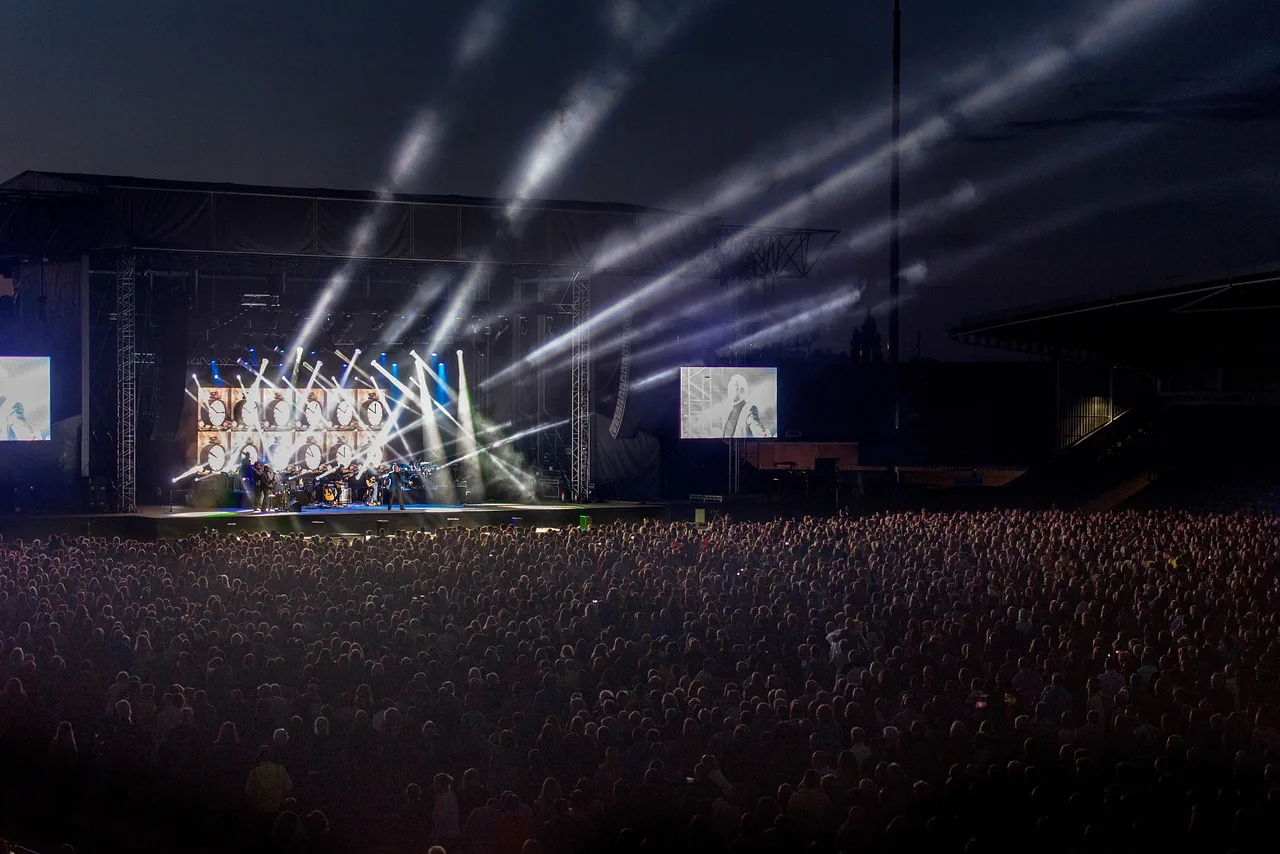
Our team at Prog Sud Festival shares a genuine passion for alternative music. As writers, critics, photographers, and fellow enthusiasts, we celebrate diversity and innovation in music. Since the beginning, we have explored the soundscapes of progressive rock, indie rock, and many other genres.
In 2015, we founded Prog Sud Festival, a lively platform dedicated to discovering and promoting alternative music. Our offices are the beating heart where album reviews, artist interviews, and in-depth musical analyses take shape.
Over the years, we have traveled through the world of music, covering the festivals, concerts, and events that shape our soundscape. Our commitment to exploring sounds and discovering new talent remains unwavering; it fuels our passion and our desire to share it with the world.
Today, our team is stronger than ever and proudly champions alternative music online. Our mission remains the same: to spark interest in new sounds, connect with a global community of alternative music fans, and celebrate the richness and diversity of musical expression.
How has rock evolved from its beginnings in the 1950s to today?
From its modest beginnings in the 1950s to its current status as a pillar of global popular culture, rock has undergone a rich and complex evolution that reflects the social, cultural, and musical changes of the decades.
Rock ‘n’ roll, which emerged in the United States in the 1950s, blended elements of blues, country, and rhythm and blues to create a distinctive and revolutionary sound. Pioneers such as Elvis Presley, Chuck Berry, and Little Richard gave rise to a new form of musical expression that captivated young people and challenged the social norms of the time.
The 1960s were a period of profound change for rock. The counterculture movement took off as artists such as The Beatles, The Rolling Stones, Bob Dylan, and Jimi Hendrix pushed the boundaries of creativity and experimentation. Psychedelic rock, folk rock, and hard rock emerged as distinct subgenres, reflecting the era’s social and political concerns, including the Vietnam War and the civil rights movements.
The 1970s saw an explosion of diversity and innovation in rock. Genres such as punk rock, glam rock, prog rock, and heavy metal emerged, each bringing its own style and rebellious attitude. Iconic artists including Led Zeppelin, Pink Floyd, The Clash, and David Bowie left an indelible mark on the music and culture of the decade.
In the 1980s, rock became more commercial and accessible with the rise of radio-friendly rock, new wave, and pop rock. Artists such as U2, Madonna, and Michael Jackson dominated the charts, while underground movements such as grunge began to take shape in the northwestern United States.
Over the following decades, rock continued to diversify and reinvent itself, embracing new sounds and styles while remaining rooted in its heritage. Genres such as nu metal, post-rock, indie rock, and the garage rock revival emerged, offering artists and listeners a wealth of creative paths.
Today, rock remains a dynamic and influential genre that continues to evolve and reinvent itself in an ever-changing musical landscape. Whether alternative, indie, or experimental, rock still captivates listeners around the world, demonstrating its enduring power as a major cultural and musical force.

Who are some of rock’s most iconic artists, and how have they influenced the genre?
Some of rock’s most iconic artists have left an indelible mark on the genre, profoundly shaping its evolution and legacy.
Elvis Presley, often regarded as the “King of Rock ‘n’ Roll,” revolutionized popular music in the 1950s with his explosive blend of rhythm and blues, gospel, and country. His stage charisma and fusion of musical influences paved the way for a new era of youthful, rebellious music.
The Beatles, from Liverpool, revolutionized the musical landscape in the 1960s. Their distinctive vocal harmonies, catchy melodies, and constant innovations in production redefined expectations for rock bands. Their influence crosses musical and cultural boundaries and marks the beginning of rock’s modern era.
The Rolling Stones emerged as one of the most iconic rock bands of the 1960s. Their electrifying performances and rebellious attitude captivated audiences worldwide. Their music, steeped in blues and rock ‘n’ roll, inspired generations of artists and helped shape the sound of modern rock.
Bob Dylan, often described as rock’s poet, brought lyrical depth and social awareness to the genre. His introspective and socially engaged lyrics captivated listeners and gave rock a deeper, more meaningful form of artistic expression.
Jimi Hendrix revolutionized the sound of the electric guitar and pushed the boundaries of what was possible in rock. His innovative guitar playing and charismatic stage presence influenced generations of guitarists and broadened the genre’s horizons.
David Bowie, with his many personas and sonic experiments, pushed the boundaries of creativity and artistic expression in rock. His ability to reinvent himself and challenge conventions inspired a generation of artists to follow their own creative paths.
These iconic artists shaped the rock landscape and left a lasting legacy that continues to influence and inspire artists today. Through their music, creativity, and vision, they helped make rock a global cultural and musical phenomenon.

What are rock’s main musical characteristics, and how do they differ from those of other genres?
Rock’s main musical characteristics generally include the use of the electric guitar as the lead instrument, simple yet powerful song structures, a strong rhythm driven by dynamic drumming, and distinctive bass lines. Vocals often take center stage, with lyrics focused on themes such as love, rebellion, politics, or personal expression.
What sets rock apart from other musical genres is its raw energy and rebellious attitude. Unlike classical music, which favors sophistication and formal structure, or jazz, which is characterized by complex improvisation, rock emphasizes simplicity and authenticity. It often favors louder sounds and simple chords, making it accessible to a broad audience.
Rock is also often associated with a particular visual and cultural aesthetic: clothing styles, album covers, and stage performances all help shape its identity. Rock concerts are also often marked by an electric atmosphere and lively interaction between performers and audiences.
In short, rock’s main musical characteristics include the use of the electric guitar, simple but striking song structures, and lyrics often centered on universal themes. Together, these elements distinguish rock from other musical genres and make it an influential and enduring force in popular music.

Cliff Burton: The Bassist Who Shaped Metallica’s History

Metallica’s Kill ‘Em All: The Birth of a Thrash Metal Classic

Metallica’s Black Album: why it became a classic

Metallica albums to hear when discovering the band

Metallica: the band’s history, members and evolution