

In the world of music, progressive rock stands out for its innovative approach to musical composition. Progressive rock artists push the boundaries of creativity by exploring advanced compositional techniques, creating complex harmonies, and using sophisticated musical structures. In this article, we will explore the art of composition in progressive rock through the techniques, chord progressions, and musical arrangements that make the genre a unique and captivating form of expression.
Characteristics of progressive rock
Progressive rock has many characteristics that make it a unique and complex musical genre. It is distinguished first by its musical complexity: its songs often have elaborate structures and sophisticated arrangements. Its compositions frequently feature rich and varied melodic elements, complex harmonies, and unconventional chord progressions.
Another notable characteristic of progressive rock is its long instrumental passages. Artists place great importance on musical exploration through extended solos and instrumental interludes. These passages allow musicians to showcase their technical and creative skills and add another dimension to the music.
Progressive rock is also distinguished by its use of unusual instruments. Alongside core instruments such as the electric guitar, bass, and drums, artists often incorporate the flute, violin, saxophone, and keyboards such as the Hammond organ, Mellotron, and synthesizers. These instruments add distinctive textures and expand the genre’s musical possibilities.
Coordination and independence within the rhythm section are also important in progressive rock. Drummers and bassists often play complex rhythms and bass lines while staying in sync with the other instruments. This interaction between band members creates a distinctive groove and contributes to the genre’s innovative character.
Finally, progressive rock draws inspiration from classical music and incorporates elements such as polyrhythm, counterpoint, and thematic structures. Song lyrics are often demanding and address complex, philosophical themes. Album cover art is frequently elaborate and creative, contributing to the listener’s overall experience.
Unusual instruments in progressive rock:
| Instruments | Examples |
|---|---|
| Flute | Ian Anderson (Jethro Tull) |
| Violin | David Cross (King Crimson) |
| Saxophone | Mel Collins (King Crimson) |
Some progressive rock bands:
- King Crimson
- Genesis
- Emerson Lake and Palmer
- Yes
- Jethro Tull
Structure and composition in progressive rock
Progressive rock stands out for its approach to structure and composition. It often departs from the traditional popular music format and features longer pieces. These frequently consist of contrasting sections linked by a common theme.
Progressive rock artists use compositional techniques typical of classical music and incorporate elements of advanced music theory, such as polyrhythm, counterpoint, and unusual scales. These techniques create rich, complex compositions that push beyond the conventions of traditional music.
Progressive rock pieces often alternate between melodic vocal passages and complex instrumental explorations. This alternation brings energy and variety to their structure while showcasing the artists’ musicianship. The vocal sections convey emotions and messages, while the instrumental sections offer freedom for expression and experimentation.
Example of a progressive rock structure:
| Section | Duration | Description |
|---|---|---|
| Introduction | 1:30 | A short musical passage that prepares the listener for the atmosphere of the piece. |
| First verse | 0:45 | A vocal section that introduces the piece’s main theme. |
| Instrumental interlude | 2:00 | An instrumental exploration that showcases the musicians’ technical skills. |
| Chorus | 1:00 | A catchier, more melodic vocal section that repeats a refrain or motif. |
| Bridge | 0:30 | A transition between different parts of the piece, often accompanied by changes in chords or atmosphere. |
| Instrumental solo | 3:30 | A virtuosic, complex instrumental solo that highlights the musicians’ individual talents. |
| Conclusion | 1:00 | The end of the piece, often marked by the return of themes or motifs heard earlier. |
This structure is a general example and can vary from one piece to another. It nevertheless illustrates the different sections characteristic of progressive rock and their approximate durations.
Progressive rock gives artists considerable freedom in how they structure and compose their music. This unconventional approach has contributed to innovation and change in rock music.
Instruments in progressive rock
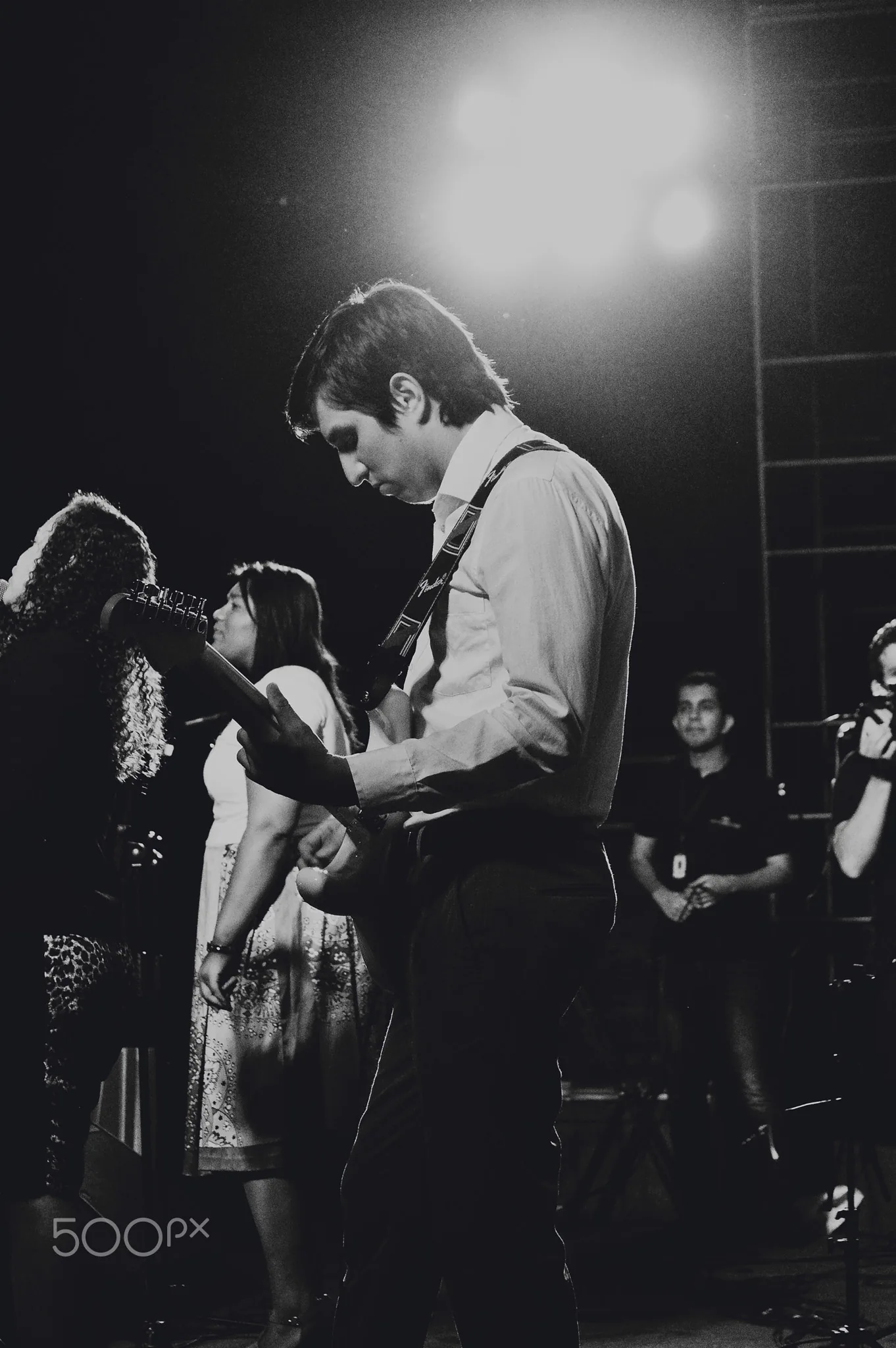
Progressive rock is distinguished by its musical complexity and the variety of instruments it uses. Alongside traditional rock instruments such as the electric guitar, bass, and drums, artists often incorporate keyboards to enrich their sound. Among the genre’s most iconic keyboards are the Hammond organ, Mellotron, and synthesizer.
These keyboards broaden progressive rock’s range of sounds and allow artists to explore new sonic possibilities. The Hammond organ, with its powerful, vibrant tone, creates a rich, melodic atmosphere. The Mellotron produces orchestral sounds that add a symphonic dimension to compositions. Synthesizers, capable of creating a variety of electronic sounds, offer artists even more creative possibilities.
Progressive rock artists also use unusual instruments to give their music a distinctive touch. The flute, violin, saxophone, and many other instruments enrich their compositions and add new sonic textures. The use of these unconventional instruments is one of the genre’s defining characteristics.
| Instruments | Description |
|---|---|
| Electric guitar | A central instrument in rock, used to create powerful riffs and expressive solos. |
| Hammond organ | An iconic progressive rock keyboard that produces a warm sound rich in harmonics. |
| Mellotron | A keyboard that reproduces orchestral sounds, often used to add a symphonic dimension to compositions. |
| Synthesizer | A versatile electronic instrument that can create a wide variety of sounds. |
| Unusual instruments | The flute, violin, saxophone, and other instruments add a distinctive touch to progressive rock. |
Through this combination of instruments, progressive rock offers a complex, rich, and innovative musical experience that pushes the boundaries of traditional rock.
The pioneers and masters of progressive rock
Progressive rock owes much to the pioneers and masters who shaped the genre. Its emblematic bands include King Crimson, Genesis, Emerson Lake and Palmer, Yes, and Jethro Tull.
King Crimson, formed in 1968, is considered one of the pioneers of progressive rock. Its debut album, “In the Court of the Crimson King,” is often cited as a landmark of the genre. Genesis, meanwhile, moved from progressive rock toward pop, but its progressive period, particularly the album “Selling England by the Pound,” remains essential listening.
Emerson Lake and Palmer, comprising Keith Emerson, Greg Lake, and Carl Palmer, blended progressive rock with classical and jazz influences. Its album “Tarkus” is considered one of the genre’s most important. Yes is known for its instrumental virtuosity and complex, epic songs, particularly on the album “Close to the Edge.”
Finally, Jethro Tull brought a folk dimension to progressive rock, notably through Ian Anderson’s flute playing. Its album “Thick as a Brick” is often cited as a masterpiece of the genre.
| Band | Landmark albums |
|---|---|
| King Crimson | “In the Court of the Crimson King” |
| Genesis | “Selling England by the Pound” |
| Emerson Lake and Palmer | “Tarkus” |
| Yes | “Close to the Edge” |
| Jethro Tull | “Thick as a Brick” |
Conclusion: the art of composition in progressive rock
Progressive rock has played an essential role in the evolution of music, pushing the boundaries of traditional rock and opening new creative paths. Its artists developed advanced compositional techniques and explored unconventional chord progressions, orchestral arrangements, and sophisticated musical structures. They also incorporated elements of classical music, jazz, and other genres, creating a distinctive and innovative sound.
Through their innovative approach, progressive rock artists opened up new musical possibilities and influenced many other genres and artists. Progressive rock broadened music’s horizons with rich, complex compositions, demanding lyrics, and creative album covers.
If you would like to discover the art of composition in progressive rock, I recommend listening to landmark bands such as King Crimson, Genesis, Emerson Lake and Palmer, Yes, and Jethro Tull. These artists shaped the genre’s history through their innovative compositions and forward-looking approach to music. Explore its different subgenres and artists as well to discover its full richness.
FAQ
What is progressive rock?
Progressive rock is a subgenre of rock characterized by complex, elaborate compositions inspired by styles such as psychedelic rock, jazz, and classical music.
What are the characteristics of progressive rock?
Progressive rock is distinguished by its musical complexity, rich melodic elements, long instrumental passages, use of unusual instruments, and the coordination and independence of its rhythm section. It also draws inspiration from classical music and explores complex themes in its lyrics.
How is progressive rock structured and composed?
Progressive rock often departs from the traditional popular music format by using contrasting sections linked by a common theme. It employs compositional techniques typical of classical music and combines melodic vocal passages with complex instrumental explorations.
What instruments are used in progressive rock?
Alongside traditional rock instruments such as electric guitar, bass, and drums, progressive rock frequently uses keyboards such as the Hammond organ, Mellotron, and synthesizers. Unusual instruments such as the flute, saxophone, and violin are also incorporated.
Who are the pioneers and masters of progressive rock?
The pioneers and masters of progressive rock include bands such as King Crimson, Genesis, Emerson Lake and Palmer, Yes, and Jethro Tull. These bands pushed the boundaries of traditional rock with their innovative, complex compositions.
What impact has progressive rock had on the evolution of music?
Progressive rock has played a major role in the evolution of music by pushing the boundaries of traditional rock and incorporating elements of classical music, jazz, and other genres. Its artists developed advanced compositional techniques and created rich, complex compositions.
What should I listen to when discovering progressive rock?
To discover the art of composition in progressive rock, listen to landmark bands such as King Crimson, Genesis, Emerson Lake and Palmer, Yes, and Jethro Tull, then explore the genre’s different subgenres and artists.
Sources
- https://en.wikipedia.org/wiki/Progressive_rock
- https://histoiredurock.fr.gd/Art_Rock.htm
- https://www.loudersound.com/features/beginners-guide-origins-of-prog-rock