

Welcome — this article guides you step by step through choosing between an affordable model and a professional one.
Defining your needs (relaxation, stage, travel, studio) helps you choose the size, note layout and tuning pitch. Manufacturers recommend doing this before buying so you do not end up with an unsuitable instrument.
Prices vary widely: small metal models start at €50, while handcrafted instruments or models from established brands can cost more than €1,000, or even €1,490 for worked wood. At the same price, construction can make a difference to the sound.
What you will find here: practical criteria — materials, number of tongues and notes, size, scales, accessories and warranties — along with price guidelines for each type of player.
We will explain how to test and listen to an instrument, then suggest a method illustrated with buying examples based on your needs. For more detail, see our guide to choosing a tongue drum.
Why compare a budget tongue drum with a professional model today?
Today, the difference between affordable instruments and high-end models lies partly in the quality of their materials and tuning.
Construction and materials: entry-level models often use painted mild steel, sometimes of unspecified origin, whose quality can vary. Established brands, such as Metal Sounds’ Zenko, favor stainless steel or nitrided steel for greater stability and corrosion resistance.
Tuning and harmonic consistency: tuning takes time and careful checking. Pitch differences may be audible on inexpensive instruments. On high-end models, intervals remain clear and stable over time.
Finish and playability: a good finish reduces unwanted noise and improves resonance. A professional instrument offers a wider dynamic range, balanced projection and rich resonance. An affordable model may be enough to get started, but its sound may be drier or less even.
- Price: it varies with brand, size and number of tongues, from unbranded models to handcrafted instruments costing more than €1,000.
- Warranty and after-sales service: often better with established manufacturers.
- Value for money: it depends on the material, the time spent tuning and quality control.
Practical tip: decide how you will use the instrument first. A tight budget may be enough to discover it. If you play often or in public, consider investing in durability and accurate tuning.
Define how you will use it before buying: relaxation, intuitive playing or performance
Before buying, identify your main use so you do not choose an unsuitable instrument. Defining your intended use helps you narrow down the size, tuning pitch and number of notes.
Beginners, children and therapists: different needs and budgets
To get started, aim for 8 to 10 notes: this is ideal for intuitive playing that is quick to learn.
For a child, choose a lightweight, sturdy instrument with fewer tongues. A smaller number of notes limits frustration and makes musical discovery easier.
For sound therapy, people often favor a 432 Hz tuning pitch and pentatonic scales. These limit dissonance and create enveloping sounds for relaxation.

Relaxation and well-being, or composing and playing in a group
If you play in a group, choose 440 Hz to stay in tune with other musicians. A larger model offers deeper bass and better projection.
For composing, choose 12 to 15 notes, or more, to expand your harmonic options. Finally, decide how you want to play — with mallets or your fingers — because this affects the sound and responsiveness you need.
- Relaxation: compact size, 432 Hz, pentatonic scale.
- Child: small size, light weight, sturdy construction.
- Stage: 440 Hz, stable tuning, good projection.
- Travel: sturdy case and stainless or nitrided steel.
Clearly defining your needs will then help you sort through the models and make the most of your budget. For detailed comparisons and reviews, see our guide to choosing an instrument.
Materials and sounds: mild steel, stainless steel, alloys… and even wood
The materials used determine projection, warmth of sound and durability. Mild steel, stainless steel, nitrided steel, steel-titanium alloy and wood produce very different tones.
Mild steel, stainless steel, nitrided steel and titanium: effects on sound and longevity
Painted mild steel offers round, warm tones. It suits relaxation and indoor use. Stainless steel produces a brighter sound and better resists moisture and impacts.
Nitrided steel improves tuning stability. Steel-titanium alloys aim to balance clarity and strength. Aluminum is also used for some lightweight models.
Wood or metal: organic warmth or resonant clarity
Wood produces a softer, more enveloping tone. Handcrafted wooden instruments are often more expensive, but offer a distinctive look and feel.
Metal provides clear projection and quick attacks. It remains the most versatile choice for group and stage playing.
Finishes, durability and maintenance
Finishes affect unwanted noise: a carefully applied coating reduces friction. Stainless steel needs little maintenance, while wood requires regular care to last.
| Material | Sound | Maintenance | Price range |
|---|---|---|---|
| Painted mild steel | Round, warm | Protect the coating | Approximately €50 to €300 |
| Stainless steel | Bright, resonant | Little maintenance | Approximately €80 to €1,450 |
| Nitrided steel or alloy | Stable, clear projection | Sturdy, easy to maintain | Approximately €150 to €1,200 |
| Handcrafted wood | Warm, soft | Regular care | Approximately €290 to €1,490 |
Practical tip: for outdoor use or humid areas, choose stainless or nitrided steel. For relaxation at home, wood or painted mild steel may be preferable. The same scale can sound different depending on the material.
Number of tongues = number of notes: which setup should you choose?
The tongue layout determines your sound palette and how easy the instrument is to learn. The number of notes directly affects what you can play and how much effort it takes to find your way around the instrument.
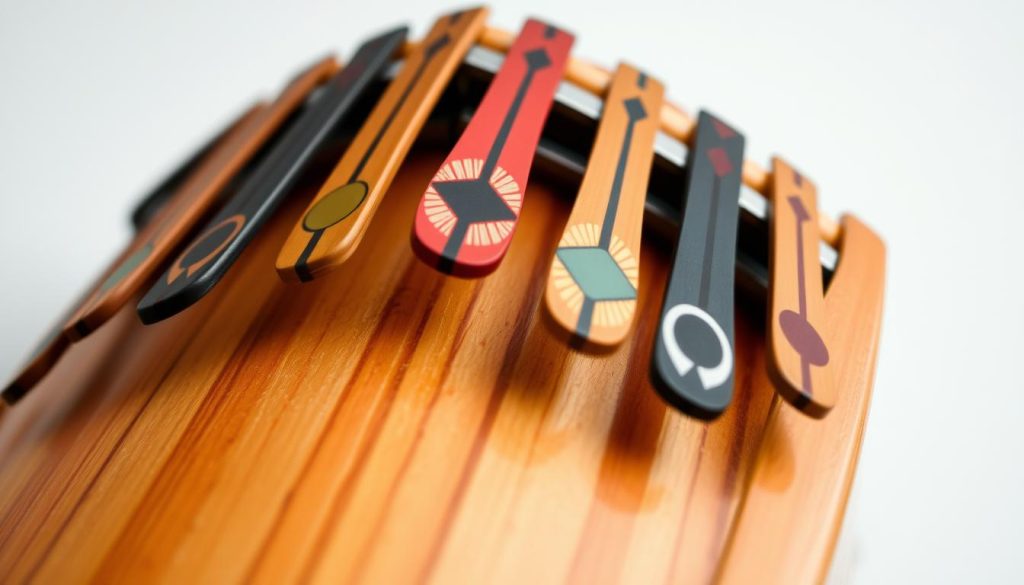
For beginners: 8 to 10 notes for intuitive, accessible playing
To learn quickly, 8 to 10 notes are enough. This range lets you improvise without losing your way and encourages intuitive playing.
Metal Sounds recommends this format for beginners and relaxation.
Playing familiar melodies: 12, 15 or more notes for a wider repertoire
A repertoire of popular songs often requires 12 to 15 notes. For example, some arrangements of “The Sound of Silence” call for about 15 notes.
More notes expand your harmonic options, but make finding notes and coordinating your hands more difficult.
Note layout: cross, zigzag and fluid two-handed playing
The layout affects how smoothly you can play. Cross or zigzag patterns make it easier to alternate hands and reduce the need to cross them.
Watch the size: on a small-diameter instrument with many tongues, tight spacing can cause interference. Progress in stages: start with 8 to 10 notes, then move to 12 to 15 if you want to play specific melodies.
“An instrument with the right number of notes for your needs will help you play more creatively and confidently.”
To compare layouts and sizes, see our guide to different models.
Size, weight and portability: effects on sound and use
An instrument’s size directly affects its range of sounds and playing comfort.
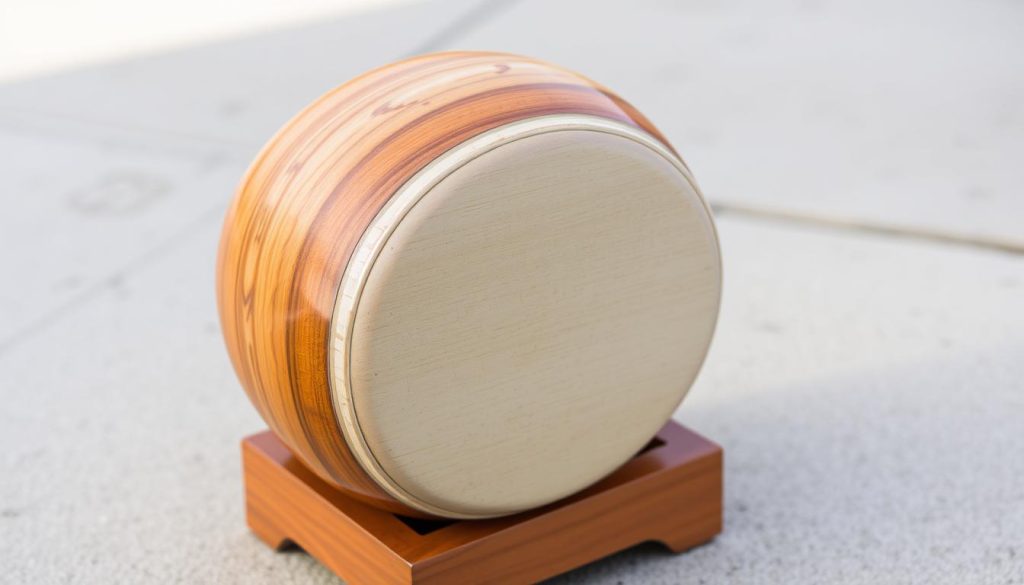
Smaller diameters produce higher, more crystalline sounds.
By contrast, a large model of about 45 cm offers deeper bass, longer resonance and better projection on stage.
Ergonomics and resonance chamber
A larger size increases the volume of air inside. This produces enveloping tones that are useful for relaxation or performance.
On a small instrument with many tongues, nearby vibrations can create a wash of sound. Some people like this effect, but it can reduce note clarity depending on how you play.
- Small models: easy to carry, with high, crystalline sounds suited to a child.
- Large models: room for a greater number of notes and better spacing.
- Metal and stainless steel: strength for transport and resistance to the elements.
“Try several sizes to feel the difference in projection and comfort.”
In practice, test different diameters to hear the sounds produced by each size and decide what weight you can carry every day.
Tuning and pitch: 440 Hz, 432 Hz, 429.6 Hz — how do you decide?
Tuning defines an instrument’s sonic character and influences whether it suits group or solo playing.
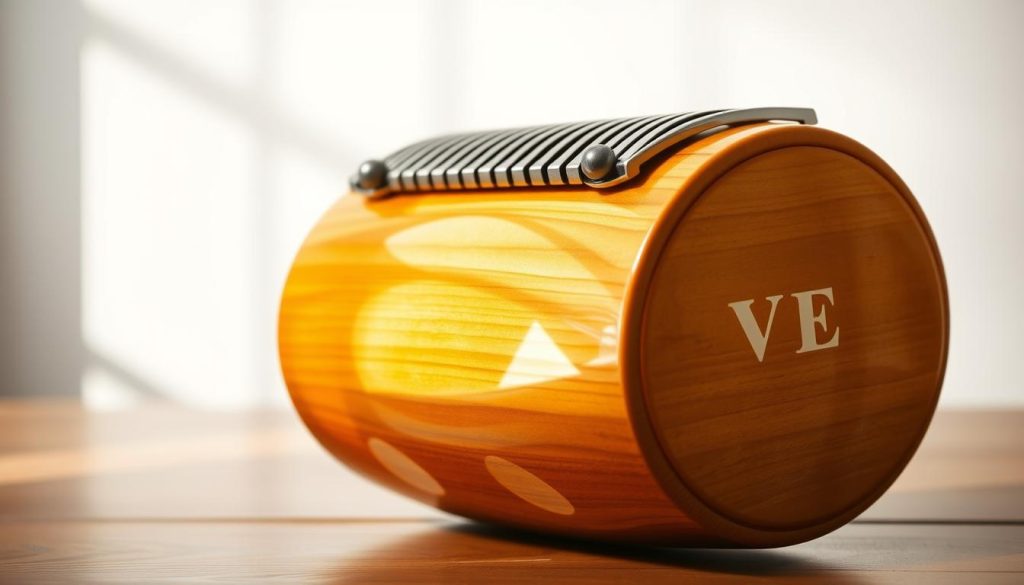
440 Hz is the standard Western tuning reference. It makes it easier to play with other musicians, use sheet music and record in a studio. If you play in a group, it is the safest choice.
432 Hz is popular for relaxation and sound therapy. Many people find it softer, but its benefits have not been scientifically proven. It may be less common and cost more from some manufacturers.
429.6 Hz relates to historical and harmonic references, including Joseph Sauveur and discussions around 429.62 Hz. It is a niche option for a specific sound.
“Mixing different tuning references in an ensemble can create clashes and make listening uncomfortable.”
| Tuning pitch | Recommended use | Advantage | Drawback |
|---|---|---|---|
| 440 Hz | Ensemble, stage, studio | Maximum compatibility | Less specifically associated with relaxation |
| 432 Hz | Relaxation, well-being | Perceived as warmer | Less compatible with group playing |
| 429.6 Hz | Harmonic exploration, historical practices | Distinctive character | Very rare, specialized use |
Practical tip: listen to 440 Hz and 432 Hz comparisons to judge for yourself. Also check whether the manufacturer offers custom tuning, and ask about any extra cost or delay.
Scales and modes: major, minor, pentatonic, diatonic and chromatic
Your choice of scale directly affects the emotional character of the music.
Modes and moods: a major mode creates a bright, open atmosphere. A minor mode produces a more melancholy, introspective feel. These differences can help you choose for your intended use.
Pentatonic, diatonic and chromatic
The pentatonic scale (5 notes) is ideal for improvisation and relaxation. It limits dissonance and makes playing easier.
The diatonic scale (7 notes) offers more possibilities for working with scale degrees and composing varied melodies.
The chromatic scale (12 notes) includes every note and allows modulations and advanced exploration, but it is more complex.
Multiple-scale options and a practical choice
Some versions have magnetic systems that let you change scales. Depending on the manufacturer, they can provide access to as many as 10 scales.
Drawback: a substantial cost, around €400 to €500, and additional maintenance. Sometimes buying several instruments, each with its own scale, produces a more natural sound.
- Relaxation → pentatonic or gentle minor scale.
- Composition → diatonic scale for more options.
- Advanced exploration → chromatic scale or multiple-scale system, if your budget allows.
“Listen to several demonstrations: the same scale sounds different depending on the model and material.”
Brands, accessories and prices: choose wisely
Buying an instrument involves more than comparing prices: examine the warranty, service and origin.
Price guidelines in France: the first metal models start at around €50. An unbranded 15-note instrument costs about €200. Models from established brands and handcrafted instruments range from €400 to more than €1,000. Handcrafted wooden models often cost between €290 and €1,490, depending on size and construction.
What your budget pays for: quality control, precise tuning, the material (stainless steel, nitrided steel or wood) and after-sales service.
- Signs of quality: accurate tuning of every tongue, controlled resonance and an even response to mallets and fingers.
- Useful accessories: mallets, a carrying bag and note markers. Do not let accessories dictate your choice, though.
- Check that the number of tongues suits the instrument’s size to avoid interference on a small diameter.
Listen to official demonstrations and read verified reviews. Choose a seller that offers returns and a warranty. If you are unsure, set a budget for your intended use: discovery, regular practice, stage or studio.
Budget vs professional tongue drums: how to choose
Start by listing what you want from the sound and how you will use the instrument. Decide how often you will play, your preferred tone and your budget before comparing offers.
Clarify your needs, desired sound, number of notes and budget
Method: write down your intended use (relaxation, stage, travel), preferred scale and number of notes. You can then compare an affordable model with a high-end one more objectively.
Typical player profiles
Child beginner: small diameter, 8 to 10 notes, sturdy material and light weight to make learning easier.
Yoga and relaxation: favor 432 Hz, pentatonic or minor scales, and gentle resonance for enveloping sounds.
Stage musician: 440 Hz, 12 to 15 notes, stable tuning and good projection; a case and accessories are essential.
Buying recommendations in France
Start with 8 to 10 notes, then move up to a more advanced model. For frequent use, invest in a stainless or nitrided steel instrument if it is likely to be exposed to moisture.
“Check the tuning pitch, scale, number of notes, size, material and warranty before buying.”
- Checklist: tuning pitch, scale, number of notes, size, material, layout, warranty, after-sales service and listening to demonstrations.
Conclusion
Finally, focus on how you will actually use the instrument and the sound you expect. This article recaps the key points to check before buying a tongue drum.
Method: start with your intended use, then decide on the number of notes, scale, size and material. Listen to recordings and check that every note is in tune.
Quick guidelines: 8 to 10 notes for beginners, 12 to 15 for playing melodies; 440 Hz for group playing, 432 Hz for relaxation.
Materials: wood offers warm sounds; stainless steel resists moisture better. As for price, the best balance is often in the mid-range; handcrafted models suit intensive use and stage performance.
Final tip: use this article as a checklist, try instruments, listen to them and choose with confidence. The right instrument is the one that serves your music and inspires you.