
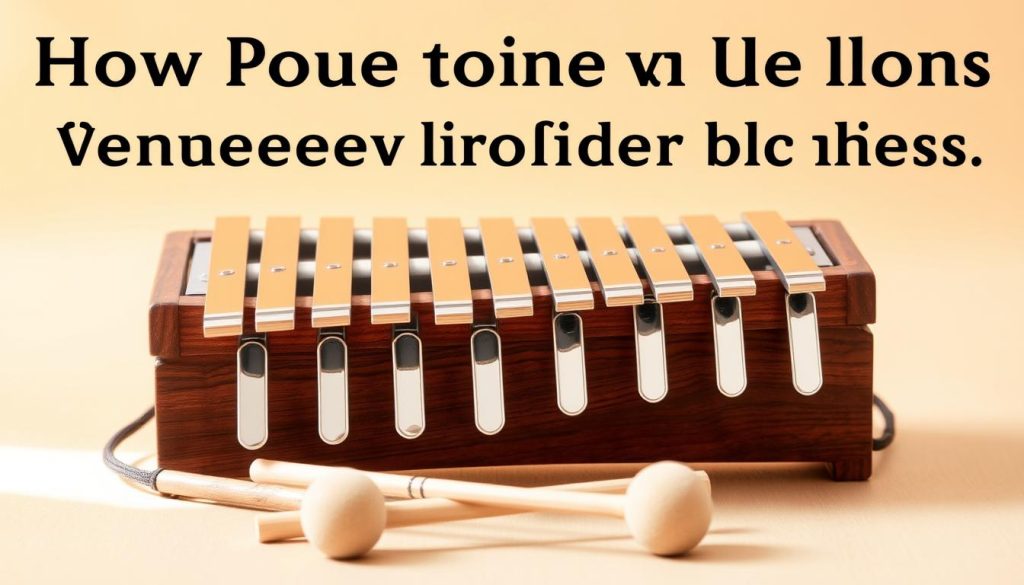
This buying guide explains where and how to choose your instrument wisely. It compares new and used instruments, reliable places to buy, and the risks associated with marketplaces.
Models vary considerably: small entry-level instruments cost around €50 to €70, while better-finished versions start at €249 in stores. Tuning quality, pitch accuracy, and after-sales support often matter more than price alone.
Where should you buy? Makers, specialist music stores, and online shops remain the recommended options. Buying from a maker lets you try the instrument, customize it, and benefit from after-sales support. Demonstration videos and a return policy make buying remotely easier.
This article focuses on the French market and offers practical advice and checklists to help you buy safely. Its aim is to save you time and prevent unpleasant surprises while introducing the technical criteria covered in the following sections.
Before buying a tongue drum in France: understand the instrument, your needs, and your budget
A good choice starts with defining how you will use it: relaxation, an introduction to music, composition, or wellness workshops. This will guide the type of instrument and price range to consider.
Considering your budget and practical options will save you time. In France, prices range from about €50 to €70 for entry-level instruments to €200 to €250 for better-quality models in stores.
- Tuning frequency: 432 Hz for relaxation, 440 Hz for the modern standard.
- Size and portability: dimensions from 20 to 45 cm affect tone and ease of transport.
- Number of notes: fewer notes for beginners, more for a wider melodic range.
- Volume and sensitivity: choose what suits playing at home, in a studio, or outdoors.
- Condition and tuning: crucial criteria when comparing new and used instruments.
Also allow for the cost of accessories (a case and mallets) and possible retuning. Compare demonstration videos, feedback from students, and verified reviews to choose well and buy with confidence.
Essential criteria for choosing well: notes, scales, frequencies, materials, and size
Your choice of notes, material, and frequency shapes your musical experience.
Number of notes and scales: more notes offer greater melodic possibilities but demand more precise tuning.
- Pentatonic: ideal for intuitive improvisation and beginners.
- Diatonic: makes familiar tunes easier to play.
- Chromatic: lets you explore every semitone and create more complex arrangements.
Tuning frequencies: 432 Hz is popular for relaxation and meditation. The 440 Hz frequency remains the standard for playing with other instruments. Some models also offer 444 Hz for a different tonal character.

Materials, construction, and quality
Steel provides a warm sound, stainless steel resists corrosion and projects well, while aluminum is valued for its light weight.
Tuning quality is decisive: each note should sound clear, without beating, and sustain evenly.
Build quality, particularly the cutting and finishing, affects durability and playing comfort.
| Feature | Advantage | Limitation |
|---|---|---|
| 8 to 10 notes (pentatonic) | Easy to start with and accessible for improvisation | More limited range |
| 11 to 15 notes (diatonic/chromatic) | More possibilities for experienced musicians | Requires precise tuning |
| Steel / stainless steel / aluminum | Warmth / durability / light weight | Differences in projection and stability |
| Size from 20 to 45 cm | Larger size: stronger bass notes | Bulkier and less easy to transport |
To choose with confidence, listen to demonstrations comparing scales and materials. Also look at models from Beat Root, Hapi Drum, Zenko, Rammerdrum, and Sonodrum for points of comparison and user feedback.
Practical tip: confident players and experienced musicians can aim for 11 to 15 notes and richer scales. Beginners will often start with 8 to 10 pentatonic notes.
For more on choosing the right size for your needs, see this guide to the right size: it will help you balance portability and sound projection.
Buying new: makers, music stores, and specialist online shops
Where you buy often determines the quality of after-sales support and whether you can try the instrument. Some options will suit you better depending on whether you value an in-person trial or customization.
From a maker
Trying several models helps you refine your choice of scale and frequency (for example, 432 Hz).
Advantages: customization, direct contact, clear warranties, and after-sales support. A discount may sometimes be possible.
In physical stores
Retail chains and music stores let you try the instrument immediately and test its tone.
Pay attention to its origin, material, and tuning accuracy. Prices range from around €50 for small models to about €900 for high-end instruments.
In specialist online shops
Specialist sites let you filter models and offer advice, demonstration videos, and often a return policy.
Tip: check the legal notice, SIRET business registration number, and quality of after-sales support. How to choose a handpan is a useful resource for exploring the subject further.
- Compare prices and customization options.
- Check how quickly after-sales support responds and the terms for servicing.
- Look for traceable provenance so you can buy with confidence.
Buying online: good practices, recommended sites, and warning signs
Buying online can be safe if you follow a few clear rules. Before ordering, take time to check where the instrument comes from, what support the seller provides, and which warranties are offered.

Choose makers and specialist sites
Choose French or European makers, or specialist shops. They often provide demonstration videos, return options, and reliable after-sales support.
Business details and reviews
Make sure the seller provides a legal notice, a SIRET number, and a postal address. Read verified reviews and the seller’s responses to complaints.
Warning signs and marketplaces
Marketplaces may offer imported products of highly variable quality and inadequate after-sales support. Be wary of prices that seem too low, vague descriptions, and missing warranties.
Compare, listen, and ask questions
Compare specifications, request demonstrations of the exact model, and ask customer service your questions. You can also consult Facebook groups for independent feedback.
In summary: compare price and quality, favor a specialist site, and always ask for audio or video evidence. For more resources on percussion instruments and kalimbas, see kalimbas and percussion instruments.
Buying used from a private seller: advantages, places to search, and essential checks
Private sales can offer excellent opportunities to find a rare instrument. You may find a handpan or a distinctive percussion instrument at an attractive price.
Where to look:
- Dedicated Facebook groups and Facebook Marketplace
- Leboncoin, eBay, Audiofanzine, Zikinf, Greenmusicians
- Specialist forums and instrument classified ads
Essential checks: test the tuning of every note, inspect the overall condition (dents, scratches, signs of oxidation), and request a high-definition video that you can listen to with headphones.
Try the instrument in person when possible. Otherwise, insist on a detailed demonstration and keep records of the transaction (photos, messages, and serial number).
Provenance, price, and negotiation: compare the asking price with the reference price for a new instrument. Adjust your offer according to age, wear, brand, and included accessories.
Be aware: private sales do not come with a statutory cooling-off period. Put the sale in writing when possible so you can buy with full knowledge of the terms.
For more detail, see our guide to used handpans.
Budgets and price ranges: entry-level, mid-range, and high-end
Setting your budget makes it easier to choose between entry-level and high-end instruments.
Practical price guides for France: online beginner sets with demonstrations generally cost €70 to €250 and sometimes include a 30-day return period.
In stores, small models start at around €50 (six notes), while well-finished instruments with warranties can reach about €900. Here are the main price brackets:
- Entry-level — €70 to €250: ideal for discovering the instrument; often 6 to 10 notes.
- Mid-range — €200 to €800: better pitch accuracy, more notes, and careful finishing.
- High-end — up to around €900 in stores: handmade construction, stable tuning, after-sales support, and superior finishing.
The price mainly reflects tuning, tuning stability, and finish quality. A better-tuned instrument stays in tune longer.
The material (steel, stainless steel, or a rust-resistant treatment) affects longevity and tone. Also consider after-sales support, terms of sale, and possible maintenance costs.
Buying used can be a good way to get a higher-quality instrument on the same budget. Check its condition and history, and arrange to hear it before paying.

| Tier | Price range (€) | Features | Recommended use |
|---|---|---|---|
| Entry-level | 70 to 250 | 6 to 10 notes, online demonstrations, sometimes limited returns | Leisure, discovery |
| Mid-range | 200 to 800 | 9 to 15 notes, better tuning, careful finishing | Regular practice, basic recording |
| High-end | Around 500 to 900 | Handmade construction, warranties, after-sales support, stability | Professional use, stage performance, resale value |
Buying a tongue drum: new, used, and pitfalls to avoid
Before buying, learn to recognize the signs of an unreliable seller.
Warning signs to watch for
Prices that are too low: an unusually low price may indicate a lack of quality control or an imported product without a warranty.
Missing legal details: the absence of a SIRET number, postal address, or clearly identified company should prompt you to pause the transaction.
Confused terminology: if the seller mixes up handpans and other percussion instruments without explaining the difference, question their expertise.

Checklist before paying
- Request a video of the exact model or an in-person trial: see and hear the instrument before paying.
- Ask for an invoice in your name, written warranties, and clear return terms.
- Check verified reviews and customer service responsiveness: the quality of communication matters.
- Check the packaging and shipping insurance, especially for a remote purchase.
- Compare several models to choose well and note how much time you spend trying them.
“A responsive and transparent seller is often a sign of reliability.”
| Risk | Sign | Recommended action |
|---|---|---|
| A bargain that is too good to be true | Very low price | Request audio or video evidence; compare prices |
| No way to seek redress | Missing legal details or SIRET number | Do not complete the purchase; request the documents |
| Lack of expertise | Confusion between handpans and other instruments | Ask technical questions; test sustain and pitch accuracy |
In short: follow this checklist before buying and paying to reduce risks and make a sound choice.
Care and longevity: preserve the instrument’s quality and value
Good maintenance habits help maintain consistent sound quality over the long term.
Cleaning, protection, and storage
After each use, wipe the instrument with a soft cloth to keep the metal in good condition. This limits oxidation and preserves its quality.
Occasionally apply a corrosion-resistant oil recommended for handpans. Avoid abrasive products and harsh solvents.
Store the instrument in a dry place at a stable temperature, away from direct sunlight. A padded bag or hard case protects it during transport.
Inspection and professional retuning
Impacts or temperature changes can affect the notes. If you hear beating, have the handpan checked by an instrument maker or professional tuner.
Some models may be more sensitive depending on their material: adjust how often you maintain them accordingly.
Tip: a stable stand reduces wear.
Regular maintenance protects resale value and lets you enjoy a reliable sound for years.
Conclusion
Remember the essentials: listen carefully, check the seller’s traceability, and care for the instrument. Take time to define your needs and budget before buying a handpan.
Your buying process: compare makers, stores, and specialist shops. Request a video or try the instrument before paying. This simple step saves time and reduces the risks of the sale.
In summary, the price guides and advice above will help you choose between new and used. A well-tuned, well-maintained musical instrument retains its value and brings more enjoyment.