

Heavy metal emerged in the late 1960s in the United Kingdom and the United States. Rooted in blues rock and social protest, it was driven by electric energy. The music quickly developed a distinct identity built around guitar, bass, drums, vocals and, sometimes, keyboards.
In Birmingham, Black Sabbath laid the foundations for a dark, slow and distorted sound. Deep Purple, Led Zeppelin, then Judas Priest and Iron Maiden broadened its audience. Their riffs shaped rock history, while their concerts built a loyal community.
In the 1980s, the genre became a global phenomenon. Powerful riffs, precise drumming, theatrical vocals, leather jackets and striking album covers each helped create its distinctive world. This visual force matters as much as the sound.
This page offers a clear guide to metal, its branches, major bands, influence today and place in contemporary music. Explore the history of heavy metal, from its earliest amplifiers to the festivals that still bring people together around the world.
Heavy metal: definition, origins and characteristics of the genre
To understand this movement, it helps to distinguish its roots from its later development. The genre took shape in the late 1960s, drawing on rock, hard rock, blues rock, rock ’n’ roll, psychedelic rock and garage rock. Its music emphasizes amplified guitar, prominent riffs and powerful drums.
A movement rooted in rock, hard rock and blues rock
The boundary with hard rock remained uncertain for a long time. In the 1970s, the music press sometimes placed Led Zeppelin, Deep Purple and Uriah Heep in either camp. Their style combined stage energy, solos, distortion and strong melodies. That close relationship explains the debate over the genre’s historical definition.
A family broader than heavy metal itself
Today, the term also describes a broader family. It brings together genres that emerged after the original movement. Each subgenre adds its own rhythms, vocals and atmosphere. The music thus retains a common core while bands explore very different paths. The term remains specific in historical discussions and broad in everyday use. That dual meaning is part of its richness.
- Historical movement: a distinct sound that emerged in the late 1960s.
- Modern family: varied styles that grew from that original foundation.
Why is it called “heavy metal”?
The name appeared before the movement had a stable identity. Its history brings together literature, popular culture, rock and the specialist music press. Its gradual adoption explains why the term has different meanings in different periods.
Early appearances in popular culture
In 1961, William S. Burroughs wrote about the “Heavy Metal Kid” in The Soft Machine. In 1964, Nova Express used the expression as a metaphor connected with psychoactive drugs. At that point, the term suggested a strange force rather than a particular musical genre.
In 1968, Steppenwolf sang “heavy metal thunder” in Born to Be Wild. The phrase chiefly described the roar of motorcycles. That same year, Iron Butterfly released the album Heavy. Its title already linked volume, power and music.
From Steppenwolf to the rock critics of the 1970s
Sandy Pearlman later used the expression in Crawdaddy! in 1971. In May, Mike Saunders clearly applied it to Sir Lord Baltimore’s Kingdom Come in Creem. Lester Bangs soon helped spread the term, sometimes with a negative connotation. Fans nevertheless turned the word into an identity they embraced.
| Date | Source | Role in the history |
|---|---|---|
| 1961 | Burroughs, The Soft Machine | Early literary appearance |
| 1968 | Steppenwolf, Born to Be Wild | Sonic image of motorcycles |
| 1971 | Mike Saunders, Creem | Documented use as a style label |
The musical roots of heavy metal
Before the major British acts appeared, several traditions had prepared the sonic ground. Blues, rock ’n’ roll and African American musical traditions provided a foundation of tension, repetition and strong rhythm. This music conveyed a direct energy that adventurous bands soon carried forward.
The influence of blues rock and rock ’n’ roll
In 1964, the Kinks released You Really Got Me. Its riff relies on repeated power chords played with a distorted guitar. Cream extended this approach from 1966 to 1968. Eric Clapton, Jack Bruce and Ginger Baker formed a power trio with a heavily amplified sound.
The electric guitar grows louder
The electric guitar became a central driving force. Distortion thickened its chords, while amplification turned each note into a physical impact. This influence soon shaped the style, along with the pursuit of greater volume.
Psychedelic rock opens new paths
The Jimi Hendrix Experience released Are You Experienced in 1967. Blue Cheer followed with Summertime Blues in January 1968. Deep Purple, Iron Butterfly and the Beatles each added their own sound with Shades of Deep Purple, In-A-Gadda-Da-Vida, Helter Skelter and Revolution. This variety helped prepare metal culture before the genre became firmly established.
To explore this history of metal further, consider how these bands combined blues, rock, psychedelia and distortion. The result became the foundation for heavier music.
The genre emerges in the late 1960s
Between 1968 and 1970, British and American rock grew in scale. After a period of sonic experimentation, the emergence of heavy metal became clear. Guitars grew more distorted, drums hit harder and vocals took on a theatrical range.
In August 1968, the Jeff Beck Group released Truth. This pioneering album is sometimes described as the first heavy record. In January 1969, Led Zeppelin released its debut album. Amplified blues became massive, free and almost spectacular music.
That same year, King Crimson included 21st Century Schizoid Man on In the Court of the Crimson King. Distortion, double bass drums and tense vocals reflected the anxiety of the era. Bands such as Black Sabbath, Deep Purple and Uriah Heep then continued this exploration.
From 1969 to 1974, the genre’s conventions took shape in the United Kingdom and then the United States. Metal moved beyond its place within rock. It became a genre in its own right, recognized through its bands, albums and audience, and eventually around the world.
| Period | Milestone | Contribution |
|---|---|---|
| August 1968 | Truth | Heavy precursor |
| January 1969 | Led Zeppelin | Amplified blues |
| 1969–1974 | United Kingdom, United States | A distinct style |
Black Sabbath, Deep Purple and Led Zeppelin: the founding bands
Three names dominate the birth of this music: Black Sabbath, Deep Purple and Led Zeppelin. In 1970, their albums Black Sabbath, In Rock and Led Zeppelin III set a new direction for rock. Their influence remains strong throughout metal history.
Black Sabbath’s dark, innovative riffs
Black Sabbath created an anxious, slow, almost oppressive atmosphere. Tony Iommi built his riffs from simple power chords despite losing the tips of two fingers. Ozzy Osbourne added a unique, instantly recognizable voice. The band turned the guitar into a dramatic force.
Deep Purple’s instrumental power
Deep Purple emphasized speed, keyboards and Ritchie Blackmore’s guitar. Ian Gillan’s singing intensified its stage presence. The album In Rock took the band into a new era of metal.
Led Zeppelin’s theatrical approach
With Robert Plant, Led Zeppelin gave rock an epic dimension. Immigrant Song combines cries, conquest and magic. Bands such as Alice Cooper extended the spectacle with provocative costumes, stage effects and shock rock.
How heavy metal took shape in the 1970s
The 1970s gave this music an enduring form. Three albums released in 1970 established early reference points: Black Sabbath, Led Zeppelin III and In Rock by Deep Purple. Their sounds brought distorted guitar, memorable riffs, powerful vocals and more expansive arrangements to the fore.
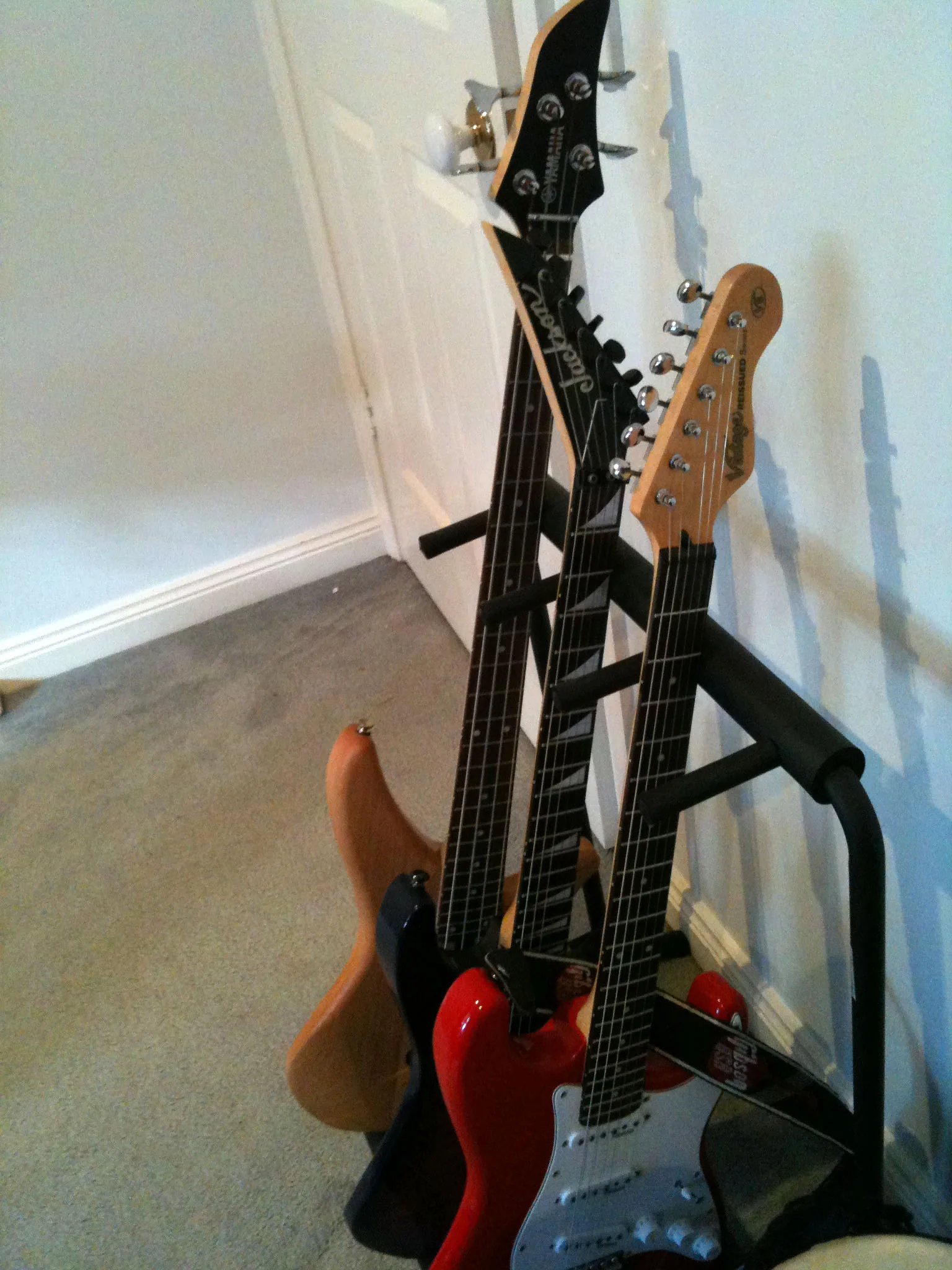
The albums that defined the genre’s early conventions
These albums made metal a recognizable style. Black Sabbath favored dark moods. Led Zeppelin added an epic dimension. Deep Purple emphasized virtuosity, keyboards and speed. Their choices became a reference point for many bands, in France and elsewhere.
The long blurred boundary between hard rock and heavy metal
The distinction remained uncertain. Aqualung, released by Jethro Tull in 1971, fueled debate about progressive rock, hard rock and metal. Hawkwind followed a related path with Master of the Universe. The Grammy awarded to Crest of a Knave in 1987 confirmed the confusion between categories. The Who and Blue Cheer also influenced punk, showing the constant exchange between neighboring styles.
The sonic characteristics of heavy metal
An immediate tension arises when electric guitar meets massive drums. This recognizable sound rests on simple choices pushed toward greater impact. Metal music seeks power without losing its melodic thread.
Heavy riffs, strong rhythms and powerful drums
Repeated riffs form the heart of the style. In Smoke on the Water, from the album Machine Head, Deep Purple created a short, memorable motif that became famous in rock. The rhythm remains clear, while the drums must match the guitars’ volume.
Guitar solos and technical virtuosity
Ritchie Blackmore, Jimmy Page and other musicians developed solos that were fast, expressive or carefully constructed. The guitar became a space for freedom. Speed matters, but phrasing also creates a powerful dramatic effect.
High, powerful or theatrical vocals
Ian Gillan favors high notes. Robert Plant brings a theatrical presence, while Ozzy Osbourne adds a darker tone. These vocal choices give the genre several faces without breaking its identity.
| Element | Example | Sonic role |
|---|---|---|
| Riff | Smoke on the Water | Memorable motif |
| Drums | Powerful playing | Rhythmic impact |
| Vocals | Gillan, Plant, Osbourne | Expressive identity |
The instruments and production behind the metal sound
Each instrument has a specific role in shaping the sound. Metal bands bring together electric guitar, bass, drums, vocals and, sometimes, keyboards. This music relies on a dense texture made possible by the amplification associated with rock. Listening to an album often reveals this collective work.
The electric guitar and bass partnership
The electric guitar carries the riffs, chords and solos. The bass strengthens the low end and connects the guitar to the drums. Together, these instruments create a massive foundation. Early bands used distortion to increase their sonic power, sometimes producing striking dissonance.
Drums, effects and amplifiers
The drums establish the rhythm with clear, often more complex strikes. Amplifiers give guitars a new presence. Distortion thickens the sound, while effects such as reverb expand its sense of space. Compression helps keep the volume steady.
Magnetic tape captured this energy with precision. Vinyl then brought it to a wide audience. Black Sabbath established its identity on record, showing that technology also shapes music.
| Element | Function | Sonic result |
|---|---|---|
| Guitar | Riffs, chords, solos | Melodic impact |
| Bass | Low register | Deep foundation |
| Drums | Beat, accents | Constant energy |
| Amplification | Distortion, volume | Expressive power |
The themes and imagery of heavy metal
Far more than decoration, the genre’s imagery builds a recognizable world. Stories, images, costumes and stagecraft extend the music’s power. Metal becomes a complete experience that reaches beyond a performance alone.
Fantasy, mythology and epic stories
Black Sabbath took its name from a horror film featuring Bela Lugosi. This source shows the importance of cinema, fear and occult stories. Led Zeppelin, meanwhile, combines magic, conquest and Norse legends. Immigrant Song turns rock into a song of victory.
Album covers, lyrics, lighting and stage effects reinforce this vision. An album can tell a story before its first note sounds. To discover this musical culture, consider the images as well as the sounds.
Occultism, war and darker worlds
King Crimson, Black Sabbath and other bands evoke war, nuclear threats, fear and a fragile future. Blue Öyster Cult uses a symbol designed by Sandy Pearlman and inspired by an alchemical sign associated with lead. This coherence makes metal a powerful visual language.
Judas Priest and Iron Maiden: the genre’s classic era
In the late 1970s, a new generation gave heavy metal a clearer form. Judas Priest brought a focused power, while Iron Maiden developed a more narrative vision. Their music moved beyond British clubs to reach a wide audience.
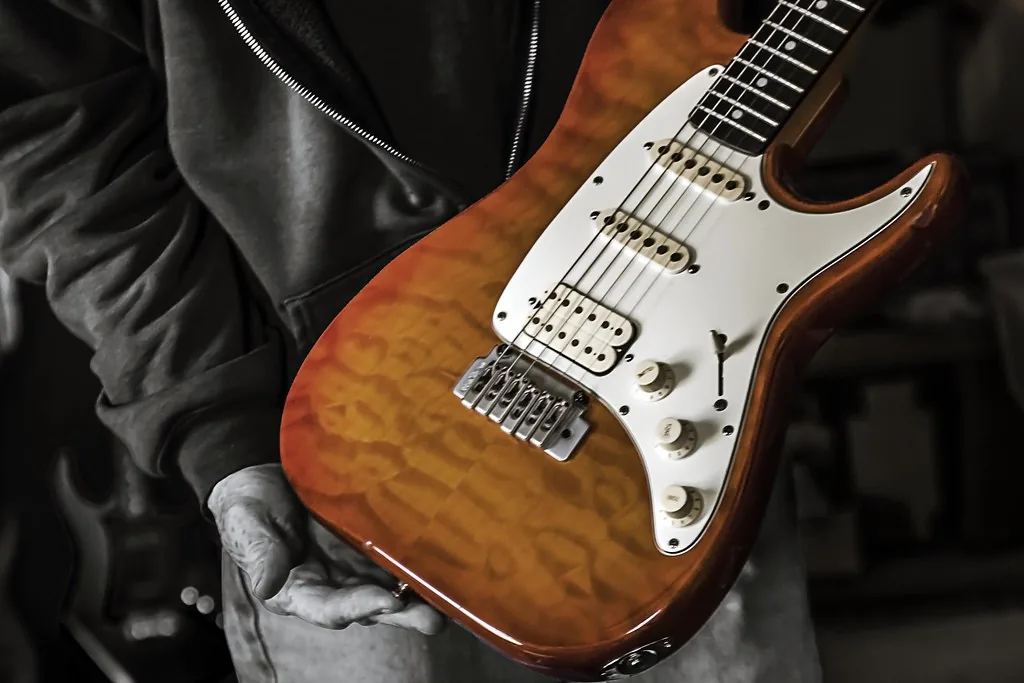
Judas Priest and the power of metal aesthetics
Judas Priest relied on two guitars, powerful choruses and precise solos. The band also cultivated its image: leather, studs, motorcycles and cold lighting. This visual identity strengthened its stage presence. Bands such as Metallica later adapted the formula with their own energy.
With British Steel, Judas Priest made a landmark album. Its influence has lasted for decades. To explore this development further, read this page on traditional heavy metal.
Iron Maiden and the making of epic heavy metal
Iron Maiden builds its songs around historical stories, guitar harmonies and a highly mobile bass line. Eddie became the band’s mascot. He appears on album covers, onstage and on merchandise. Bands such as Helloween carried this epic approach forward.
Ronnie James Dio completes this generation. With Rainbow, Black Sabbath and then Dio, he developed heroic imagery. Holy Diver left an enduring mark on later albums through dramatic, accessible and powerful music.
| Band | Milestone | Main contribution |
|---|---|---|
| Judas Priest | British Steel | Sonic power, leather image |
| Iron Maiden | The Number of the Beast | Historical stories, Eddie |
| Dio | Holy Diver | Epic imagery, theatrical vocals |
The New Wave of British Heavy Metal and global expansion
A new surge of energy swept through the United Kingdom in the late 1970s. The New Wave of British Heavy Metal brought together a more direct scene driven by fast riffs, strong choruses and live energy. Its emergence renewed the genre for a wider audience.
In Sheffield, Def Leppard connected rock’s power with more polished production. Birmingham remained a central location, shaped by its industrial past. Iron Maiden built epic music, while Judas Priest established an image that became iconic.
“This new wave turned a British scene into a global phenomenon.”
During the 1980s, albums circulated widely. Germany, Australia, Brazil, the United States and Scandinavia developed their own scenes. Each region adapted the culture through its bands, styles and genres.
During this period, metal became a professional music scene visible in the media, venues and festivals. Its leading bands reached audiences around the world.
From heavy metal to thrash metal: the style speeds up
In the early 1980s, a sharper energy took hold of the scene. Audiences discovered a fast, tense style with the urgency of punk. This development pushed heavy metal toward quicker tempos while retaining its memorable riffs.
Motörhead: the link between punk and metal
With Lemmy Kilmister, Motörhead brought together the rawness of punk and the power of metal. Distorted bass, direct drumming and a raspy voice formed an uncompromising foundation. The album Overkill illustrates this abrasive approach.
“We are Motörhead. We play rock’n’roll.”
This attitude inspired many bands. It prepared a return to direct music built on impact, speed and intensity.
Metallica, Slayer and Megadeth embrace speed
Metallica, Slayer and Megadeth accelerated the tempos. Their fast guitars, sharp attacks and urgent solos created thrash. The drumming became highly energetic, while aggression infused every song. This influence has endured in metal music.
| Feature | Traditional heavy metal | Thrash metal |
|---|---|---|
| Rhythm | Powerful, often measured | Fast, highly tense |
| Guitars | Melodic riffs | Sharp attacks |
| Representative bands | Judas Priest | Metallica, Slayer |
The main metal subgenres
The broad metal family contains very different worlds. This overview helps distinguish the genres without reducing each band to a single formula. From slow doom to speed metal’s rapid pace, each style has its own identity.
Doom metal, glam metal and power metal
Doom favors slow tempos, dark moods and weighty riffs. Glam relies on catchy choruses, a bright image and rock energy. Power metal favors fast melodies, heroic stories and clear vocals. These three subgenres show the breadth of metal music.
Thrash metal, speed metal and groove metal
Thrash attacks with urgent rhythms. Speed metal places greater emphasis on fast guitar playing. Groove metal seeks a more danceable feel built on heavy accents. Metallica, Motörhead and Pantera represent these directions.
Progressive metal and symphonic metal
Progressive metal develops complex structures. Symphonic metal adds keyboards, choirs and orchestration. These subgenres expand the genre’s boundaries around the world.
- Traditional: direct riffs and powerful vocals.
- Extreme: black, death and thrash.
- Derived: metalcore, nu metal and folk metal.
| Subgenre | Defining trait | Bands |
|---|---|---|
| Doom | Slowness | Candlemass |
| Power | Epic melodies | Helloween |
| Progressive | Complex structures | Dream Theater |
Extreme metal genres and their conventions
A clear divide soon separated this music from classic forms of rock. Extreme metal genres emphasize speed, tension, vocal impact or very dark moods. Their conventions vary by scene, period and artistic vision.
Black metal and its icy atmospheres
Black metal favors icy atmospheres, dark melodies and mystical references. Bands such as Burzum, Mayhem and Emperor emerged in particular from the Nordic scene. Burzum illustrates the importance of cold atmospheres in the genre’s early development during the 1990s.
Death metal and brutal vocals
Death metal takes a more brutal approach. Its distorted guitars, intense rhythms and guttural vocals create a powerful impression. Bands such as Cannibal Corpse, Death and Morbid Angel demonstrate different approaches to technique, speed and darkness.
Thrash metal shares this energy but often retains more direct lyrics and a clearer structure. Intensity alone therefore does not define heavy metal or any of its subgenres. Each movement has its own conventions, from local scenes to the wider world.
Heavy metal culture, from album covers to concerts
The scene extends beyond sound. It creates a visible identity through album covers, logos, clothing and concert keepsakes. This culture connects fans through more than music alone.
Logos, mascots and patch-covered jackets
Jackets covered in embroidered patches often tell a personal story. T-shirts, flags and saved tickets each recall an album or favorite bands. Eddie, the mascot of Iron Maiden, illustrates this visual power. His appearance changes from cover to cover, yet he remains recognizable around the world.
A logo can therefore leave a lasting impression. It becomes a sign of belonging, visible on the street and on a page devoted to metal culture. That image remains powerful over the years.
Fans, headbanging and major festivals
At concerts, headbanging gives the genre a physical dimension. Choruses sung by the crowd create an immediate bond. Hellfest continues to offer this experience today. Since the 1970s, generations have shared the same passion despite changes in music over time.
Heavy metal’s influence on music today
Today, heavy metal remains a major foundation for understanding modern music. Its riffs, distorted guitars and vocal power still shape many styles. Black Sabbath remains a historical reference point with an enduring influence on each generation.
A foundation for metalcore, nu metal and modern metal
Metalcore combines hardcore energy, melodic passages and powerful screams. Nu metal adds hip-hop rhythms, electronic textures and a more direct approach. Alternative, industrial and symphonic metal also extend this exploration. These subgenres create connections between rock, urban culture and contemporary music.
Avenged Sevenfold illustrates this development. Its precise guitars, solos and expansive choruses preserve the genre’s fundamentals. Bands such as Bring Me the Horizon follow a related path, as do several French acts.
The lasting worldwide presence of iconic bands
Iron Maiden and Judas Priest still fill venues around the world. Their albums attract several generations. This influence shows how a style can change without losing its identity.
- Legacy: riffs, power and creative freedom.
- Evolution: new genres and modern production.
- Reach: concerts, festivals and a global audience.
| Reference point | Contribution today | Example |
|---|---|---|
| Historical foundation | Dark riffs | Black Sabbath |
| Continuity | Global scene | Iron Maiden, Judas Priest |
| Renewal | Fusion of styles | Avenged Sevenfold |
Conclusion
In just over half a century, this sonic adventure has traveled from British clubs to the wider world. Born in the United Kingdom and the United States in the late 1960s, it turned rock into an expressive force. Its history rests on a recognizable sound.
Black Sabbath, Deep Purple and Led Zeppelin established the first reference points. Judas Priest and Iron Maiden then strengthened that legacy. Each album brings together riffs, distorted guitar, solos, energetic drums and theatrical vocals.
This journey makes heavy metal a genre capable of renewal. Metal now includes many subgenres while retaining a link to its original music. From extreme scenes to French festivals such as Hellfest, its culture remains alive. The regular return of historic bands and the arrival of new acts confirm its enduring presence.