
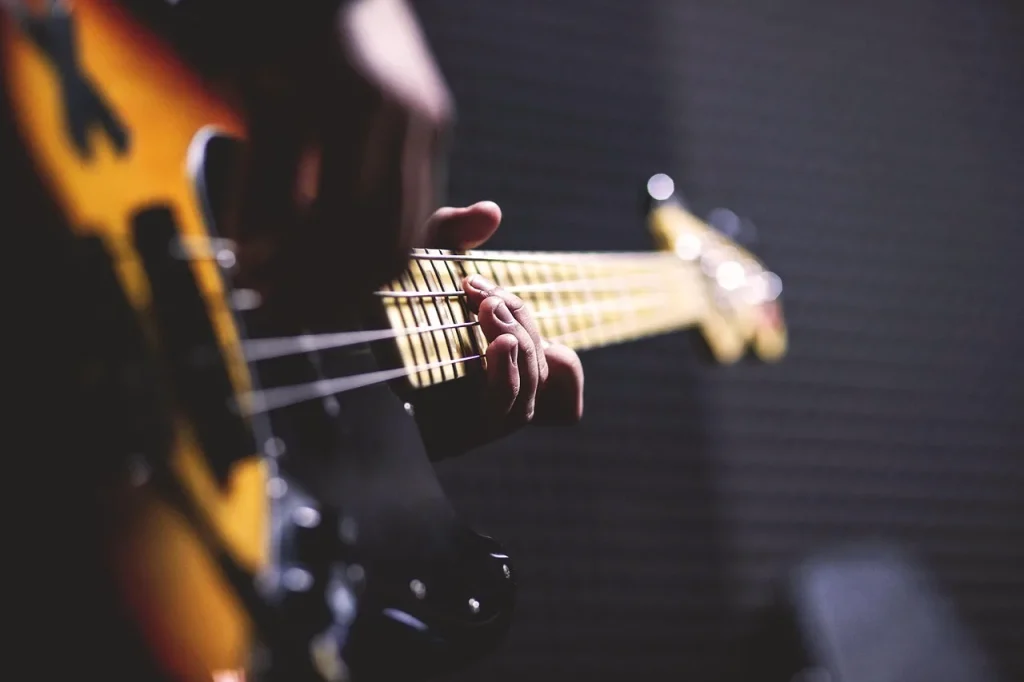
Formed in 1981 in Los Angeles by James Hetfield and Lars Ulrich, Metallica quickly established itself as a leading name in metal worldwide. Based in San Francisco, the band developed a fast, heavy and precise sound shaped by thrash metal.
Alongside Slayer and Anthrax, it helped popularize the genre in the early 1980s. From Kill ’Em All to 72 Seasons, each album marks a new stage in its musical journey. Its discography traces that history, from the earliest riffs to the biggest stages.
The principal members featured here are Lars Ulrich, Cliff Burton, Kirk Hammett, Jason Newsted, Robert Trujillo and James Hetfield. Over more than forty years, their artistic choices have broadened rock’s audience. The Black Album has sold more than nine million copies in the United States.
The story reaches beyond metal. Collaborations with the San Francisco Symphony in 1999 and 2019 show a band capable of surprising listeners. Explore its key albums through this reference discography.
Metallica: the band’s history, members and evolution
A chance encounter started the story in Los Angeles. At 16, Lars Ulrich was looking for a band that shared his taste for British metal. At 17, James Hetfield shared that passion. They quickly found a distinctive energy together.
The band’s beginnings in Los Angeles and then San Francisco
In 1981, Brian Slagel was preparing a compilation for Metal Blade Records. The opportunity led to an early recording of “Hit the Lights.” Lars Ulrich also chose the name Metallica, inspired by Ron Quintana’s idea for a fanzine.
In 1982, the band moved to El Cerrito, near San Francisco. The local scene gave it a loyal audience nicknamed the Bay Area Bangers. In this history of metal, the move remains a pivotal moment.
Thrash metal influences and the first concerts
Diamond Head, Venom, Motörhead, punk and British heavy metal shaped the band’s early compositions. The No Life ’til Leather demo includes “Seek and Destroy” and “Metal Militia.” Concerts in Los Angeles and then the San Francisco Bay Area grew faster and more intense. Some audience members compared the genre to punk.
After Dave Mustaine left, Kirk Hammett, formerly of Exodus, stabilized the lineup. The second move to San Francisco confirmed a clearer thrash direction.
| Milestone | Place | Key detail |
|---|---|---|
| The founding meeting | Los Angeles | 1981 |
| First recording | Metal Blade Records | “Hit the Lights” |
| A new home | El Cerrito, near San Francisco | 1982 |
Metallica’s defining members
The lineup is built around clearly defined roles. Its identity comes from a constant interplay between vocals, guitars, drums and bass. The band has weathered several lineup changes without losing its power onstage.
James Hetfield and Lars Ulrich: the founders
James Hetfield handles vocals and rhythm guitar. Behind the drums, Lars Ulrich has driven the band’s fast pulse since 1981. Their partnership provides a solid foundation for concerts, albums and tours.
Cliff Burton, Jason Newsted and Robert Trujillo on bass
After Ron McGovney, Cliff Burton, a former member of Trauma, became the bassist. His melodic playing enriched the band’s metal sound. On September 27, 1986, he died in a tour bus accident in Sweden during the Master of Puppets tour.
Jason Newsted, formerly of Flotsam & Jetsam, quickly learned the repertoire before joining the band. Later, Robert Trujillo, who had played with Suicidal Tendencies and then Ozzy Osbourne, refreshed the rhythm section in 2003. Jason Newsted remains a defining figure of that period.
Dave Mustaine and Kirk Hammett: pivotal guitarists
Dave Mustaine left the band in 1985 and went on to found Megadeth. Kirk Hammett, formerly of Exodus, replaced him. His style shaped the albums and major tours that followed. Cliff Burton remains a major influence, often cited by fans and bands in the metal scene. Explore the self-titled album’s profile as well.
The early albums and the band’s rise in metal
The first decade established a fast, dark and ambitious sound. Kill ’Em All, released in 1983, drew inspiration from Venom and Motörhead. Its aggressive compositions made it a foundational thrash metal album.
In 1984, Ride the Lightning expanded the band’s musical vocabulary. The songs gained depth and darker moods. In 1986, Master of Puppets confirmed that ambition. Despite limited radio play, the album sold more than three million copies.
After Cliff Burton died, Jason Newsted became the bassist. Garage Days Revisited, released in 1987, marked his arrival while paying tribute to several influences. Then …And Justice for All reached number four on the Billboard chart in October 1988, with more than three million copies sold in the United States.
In 1989, “One” became the band’s first top 40 hit. Its music video aired regularly on MTV. That media exposure attracted new fans. For more on the context of extreme rock, this resource offers useful background.
| Album | Year | Major milestone |
|---|---|---|
| Kill ’Em All | 1983 | The birth of thrash |
| Ride the Lightning | 1984 | More layered songwriting |
| Master of Puppets | 1986 | More than 3 million copies sold |
| …And Justice for All | 1988 | Number 4 on the Billboard chart |
The Black Album and Metallica’s turn toward rock
A more direct sound suddenly changed Metallica’s reach. Released in 1991, the self-titled album was produced by Bob Rock. Its black cover quickly earned it the nickname Black Album.
The arrangements became simpler and the songs shorter. The approach attracted a much wider audience without erasing all the power of the early albums. The record stayed at number one in the United States for four weeks.
A worldwide success driven by powerful songs
“Enter Sandman,” “The Unforgiven,” “Sad but True” and “Nothing Else Matters” became fixtures on the radio and in concert. The Black Album sold more than 9 million copies in the United States, while worldwide estimates exceed 15 million.
Some fans welcomed the turn toward rock. Others missed the fury of thrash. That tension accompanied the rest of the band’s career. For more recommendations, see this selection of alternative rock bands.
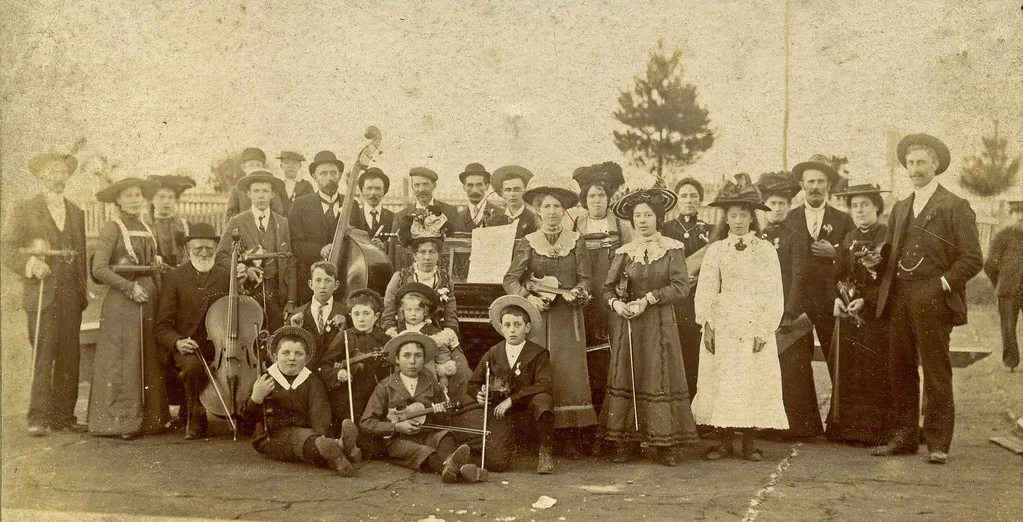
In Moscow in 1991, Metallica played to approximately 500,000 people alongside AC/DC and Pantera. In 1999, the band performed twice with the San Francisco Symphony for S&M, showing a new level of ambition.
| Milestone | Date | Impact |
|---|---|---|
| Metallica album | 1991 | Four weeks at number one |
| U.S. sales | Since 1991 | More than 9 million |
| Moscow concert | 1991 | Approximately 500,000 spectators |
| S&M project | 1999 | Two symphonic concerts |
Years of change, from Load to St. Anger
The mid-1990s opened an unexpected period for the band. After several fast albums, its music began to seek more space, depth and nuance.
The musical shift of Load and Reload
Released in 1996, Load traded some of its metal aggression for alternative rock with a Southern flavor. The riffs became more expansive. The gamble quickly paid off: the album sold three million copies in two months that summer.
Released in 1997, Reload continued the Load sessions. The response was more divided, despite several effective songs. The record showed a band willing to change, even as some fans missed its earlier compositions.
Tensions and a new beginning with St. Anger
In 2001, Jason Newsted left the band after approximately fourteen years. James Hetfield paused recording to enter rehabilitation. The crisis weakened the band, then renewed its creativity.
Released in 2003, St. Anger had a raw production fueled by intense anger. Bob Rock played bass. Robert Trujillo then joined the band ahead of its 2003–2004 world tour. The DVD Some Kind of Monster, released in 2005, follows the making of the album and the band’s subsequent journey.
| Project | Year | Key detail |
|---|---|---|
| Load | 1996 | Turn toward alternative rock |
| Reload | 1997 | Continuation of the sessions |
| St. Anger | 2003 | Return after the crisis |
| Some Kind of Monster | 2005 | Documentary about the band’s new beginning |
From symphonic collaborations to major international tours
After the St. Anger period, Metallica returned to the forefront with Death Magnetic, released in September 2008. Produced by Rick Rubin, the album revived fast riffs, long arrangements and an energy reminiscent of the band’s beginnings. “My Apocalypse” earned the band its sixth Grammy Award for Best Metal Performance.
The band then took an unexpected direction with Lulu, an album created with Lou Reed in 2011 and inspired by Frank Wedekind. The project revealed the influence of experimental music. The band later combined concerts, cinema and dramatic storytelling in Through the Never, released in 2013 with a double live CD.
The new album Hardwired… to Self-Destruct, released on November 18, 2016, was produced by Greg Fidelman. It confirmed the band’s return to powerful rock. Its journey then took another symphonic turn in San Francisco: two concerts with the San Francisco Symphony took place in 2019. S&M2 was released in 2020, twenty years after S&M.
During this period, the band continued its major international tours. However, another stay in rehabilitation for James Hetfield led to the permanent cancellation of the tour that had begun in 2019. Consult the Metallica archives to trace each stage.
Conclusion
Over more than forty years, Metallica has grown from the San Francisco thrash scene into a global benchmark. Its history connects raw energy with a vision that crosses boundaries.
Changes in membership, from Cliff Burton to Jason Newsted and then Robert Trujillo, have enriched its sound. From Kill ’Em All to the Black Album, each record has helped take this pillar of metal to the top.
Load, Reload, Metallica’s self-titled album and its projects with Lou Reed demonstrate genuine artistic freedom. This series of bold choices continued with Death Magnetic, Hardwired… to Self-Destruct and then 72 Seasons. Each new album has become part of that journey.
Today, the band continues to thrive on its concerts. Each new album sustains its connection with fans. Time has confirmed Metallica’s strength and an enduring legacy that remains alive, powerful and essential.