
Purpose: in this article, we offer a complete test and an informed review of the Sela Melody 10″ C Golden Gate Dark Green. Our aim is to help readers understand its strengths, limitations, and place in the French market.
The model featured is a compact 10-inch steel instrument tuned to C Golden Gate, with 8 tone fields. It is designed for relaxation, musical discovery, and educational workshops, offering a warm, soothing sound.
We will cover our testing method, technical specifications, build quality and sound, recommended uses, useful comparisons—particularly with Sela handpans—and value for money.
Recommended price: €179. The German brand has a good reputation for its steel instruments. This guide is for beginners, teachers, sound therapists, parents, and enthusiasts.
At the end, explore our comparisons to choose according to your needs and budget. We offer practical answers and an honest opinion before you buy.
Why this Sela Melody test matters to musicians in France today
Interest in simple, portable melodic percussion is growing in France today. This reflects a greater focus on well-being, sound-based activities, and amateur music-making.
Instruments such as the Sela Melody meet this need because they are easy to start playing and sound appealing. No complex training is needed, leaving room for personal expression.
The brand, active since 1999, emphasizes the quality of its materials and supports players through workshops and educational resources. This helps educators and care organizations feel confident using its instruments.
Portability, ease of use, and good value for money make the instrument suitable for relaxation, early music education, and wellness sessions. It also pairs well with other instruments, such as the handpan, in musical ensembles.
- Educational use: early music activities and group workshops.
- Wellness use: meditation and relaxation.
- Everyday use: travel, home, and care settings.
| Criterion | Why it matters | Impact on the user |
|---|---|---|
| Quality | Materials and finish | Durability and consistent tone |
| Portability | Compact size and accessories | Convenient for workshops and travel |
| Ease of play | Easy to pick up | Quick access to music-making |
| Resources | Workshops and teaching materials | Support for teachers and therapists |
To learn more about the support and workshops available, see the educational resources.
Sela Melody: tongue drum test and review
We evaluated the instrument in real-world conditions to assess its sound and everyday practicality.
Our testing method: playing, critical listening, and everyday use
Our sessions included listening in a quiet room, recording from close up and at a distance, and striking the instrument first with fingers and then with mallets.
We assessed resonance, sustain, and attack, then checked tuning stability over a week of intensive use.
Who is this instrument for?
Intended users: beginners, educators specializing in early music education, and sound therapists.
Its compact size (about 25 cm) and 8 tone fields make it quick to pick up. Thanks to its warm timbre, even novices can produce a harmonious sound.
Quick verdict: strengths, limitations, and overall assessment
Strengths: simplicity, warm sound, portability, and stable tuning.
Limitations: an intentionally limited harmonic range and few options for changing the tuning.
| Criterion | Result | Impact | Note |
|---|---|---|---|
| Tonal balance | Even | Fluid playing | Coherent C Golden Gate scale |
| Resonance and sustain | Warm and present | Notes ring out well | Ideal for relaxation |
| Ease of use | Very quick to learn | Rewarding from the first few minutes | Easier to pick up than some handpans |
| Value for money | Strong | Recommended for beginners | See our comparison of the best tongue drums |
Technical specifications and key facts
Here are the features that explain the instrument’s sound and practical use.
Tuning and notes
Tuning: C Golden Gate. The model has 8 tone fields that lend themselves to simple melodies and soothing, repetitive patterns.
Dimensions and portability
Diameter: 10 inches (about 25 cm). Its compact size makes it easy to store and carry in a bag or backpack for workshops and travel.
Material and care
Its steel body provides durability and controlled sound projection. Regular wiping and dry storage help prevent oxidation.
This model is not advertised as being made of stainless steel, so wiping it with a soft cloth after use helps preserve the quality of its finish.
Included accessories
- Carrying bag options vary by retailer.
- Some packages include a padded case to protect against scratches and knocks.
- Possible services include 30-day returns, a warranty, and in-store assistance.
| Feature | Specification | Impact |
|---|---|---|
| Tuning | C Golden Gate | Warm sound suited to relaxation |
| Tone fields | 8 notes | Accessible to beginners |
| Diameter | 10 inches (about 25 cm) | Easy to carry in a bag |
| Material | Steel | Durable but requires care |
| Recommended price | €179 | Good value for a beginner’s instrument |
In short: 8 tone fields, a steel body, a 10-inch diameter, C Golden Gate tuning, and simple but adequate accessories for getting started. For teaching and relaxation, it remains a worthwhile alternative to a handpan.
Build quality and sound quality
How the steel is worked directly affects the timbre and how long notes ring out.
Timbre and resonance
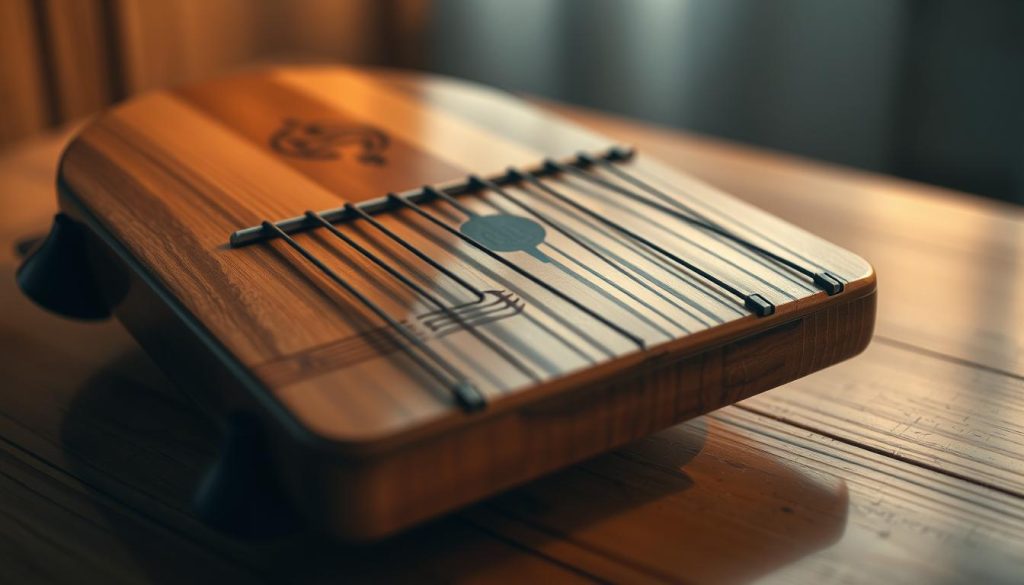
The instrument has a soft, rounded timbre, ideal for relaxation music.
Its resonance can fill a small room without becoming overpowering.
Each note remains distinct, encouraging attentive listening.
Sustain and projection
The sustain is balanced: notes linger without blurring together.
Its projection is sufficient to accompany a small group while keeping the sound clear.
Ergonomics and playing
The logical layout of the tongues makes the instrument easy to pick up.
It responds immediately to touch and is forgiving of imprecise strikes.
This playing comfort improves the musical experience during long sessions.
Overall, the match between its construction and intended use confirms the product’s quality.
In terms of sound, this steel instrument favors softness over brightness, with a sound reminiscent of a gentle handpan.
- Sound character: rounded and warm.
- Listening experience: each note stands out clearly.
- Design: sturdy and suited to relaxation and education.
Recommended uses and musical experience
Its ease of play invites you to create sounds that encourage relaxation and listening. The instrument suits both relaxation and introductory classroom activities.

Relaxation, meditation, and sound therapy
Simple approach: play slowly, synchronize your breathing, and let each note ring out before moving to the next.
Tip: use repetitive patterns at a moderate volume to support a relaxation session.
Early music education and workshops
In workshops, try listening games, pitch recognition, and pattern imitation. Begin with free exploration, then introduce playful instructions.
Its compact size makes it easy to transport and set up in a classroom, multipurpose room, or therapy office.
- Playing in pairs: use call and response to develop listening and cooperation.
- Sample 10-minute session: 2 minutes of quiet listening, 6 minutes of slow playing, and 2 minutes to settle down.
- Care: keep the surface clean and store the instrument somewhere dry to preserve the quality of the steel.
| Use | Approach | Duration | Benefit |
|---|---|---|---|
| Relaxation | Slow strikes and breathing | 10 to 20 min | Calm and renewed focus |
| Sound therapy | Repetitive patterns at moderate volume | 15 to 30 min | Helps participants settle down |
| Children’s workshop | Listening games and imitation | 10 to 30 min | Develops attention and coordination |
To go further and learn to read simple notation, see our guide to reading sheet music.
Useful comparisons to help you choose
When comparing similarly priced instruments, a few simple criteria can guide your choice. This model is compact, easy to carry, and immediately rewarding for relaxation and beginners.
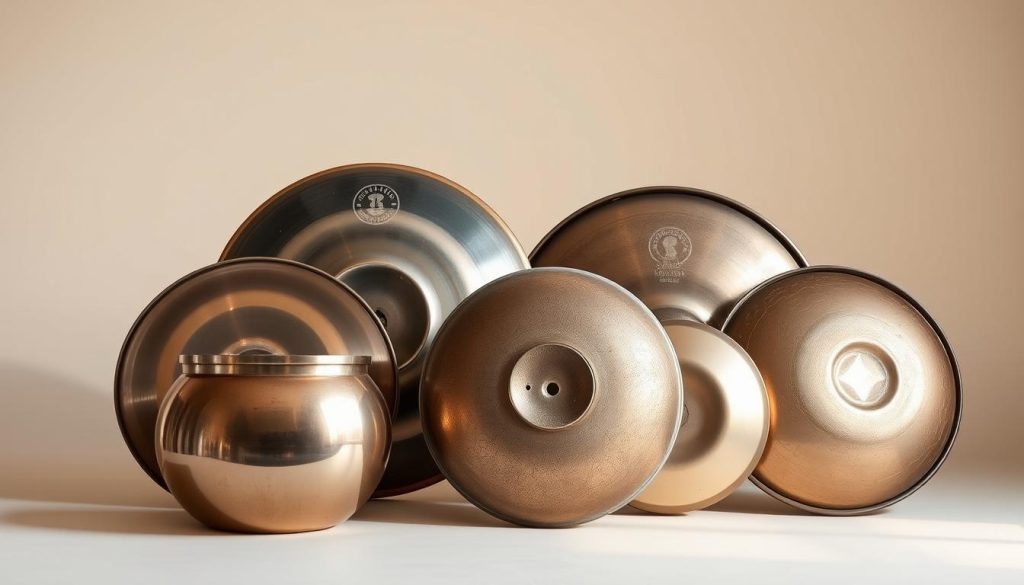
Compared with other models in the same range
Strengths: compact size, immediate playability, and warm sound.
Limitations: a narrower harmonic range than larger instruments.
Differences from a D Kurd SE220 handpan
The D Kurd SE220 handpan is made of nitrided steel. It measures 57 cm, weighs 4.6 kg, has 9 notes (from D3 to A4), and is tuned to 440 Hz. It offers a richer range, greater projection, and responsiveness suited to fast playing.
However, it requires more care than stainless steel and generally costs more. Its sound is more percussive and versatile, making it suitable for performances and recordings.
When to choose each instrument
- Choose the smaller instrument if your budget is limited or you want it for learning, workshops, or relaxation.
- Choose a Kurd handpan for a richer harmonic range, expressive playing, and live performance.
- Care: nitrided steel needs attention; dry storage and wiping help extend its life.
| Criterion | Smaller instrument | D Kurd SE220 handpan |
|---|---|---|
| Portability | Excellent | Good (57 cm) |
| Harmonic range | Limited | Wide (9 notes) |
| Care | Simple | More demanding (nitrided steel) |
Price, availability, and value for money
Price often influences the final choice of a beginner’s instrument. The recommended price is €179, an accessible price for a 10-inch model tuned to C Golden Gate.
In France, several online retailers offer this model with fast delivery. Some provide 30-day returns, an extended warranty of up to 3 years, and specialist customer service.
Practical advice before buying
- Check whether a padded carrying bag is included; choose a backpack if you often transport the instrument.
- Look for bundles with a case, mallets, or other accessories to make the most of your budget.
- At a specialist shop, ask for advice on caring for the steel and choosing accessories.
| Item | What it offers | Impact on the user |
|---|---|---|
| Recommended price | €179 | Affordable for beginners and workshops |
| Guarantees | 30-day returns and a warranty of up to 3 years | Greater peace of mind and after-sales service |
| Accessories | Carrying bag, backpack, and bundles | Protection, mobility, and good value |
In summary, its balance of price, sound quality, and durability makes it a good choice for relaxation, early music education, or teaching. If you want a richer harmonic range, expect to pay more for a handpan.
Our detailed review: advantages and areas for improvement
This closer look explains why the small instrument works well for relaxation and teaching.
What we like
Ease of use: beginners and workshop participants can start playing immediately. The sound is soothing from the first notes.
Sound quality: warmth and softness suited to relaxation and educational sessions. The German brand’s consistent workmanship inspires confidence.
What to know
Care: the steel needs regular wiping and dry storage. Unlike stainless steel, it may need more attention to prevent oxidation.
Limitations: only 8 notes and no built-in alternative tuning. A handpan offers more nuances, but requires a larger budget and more practice.
| Advantage | Limitation | Impact |
|---|---|---|
| Simplicity | Limited range (8 notes) | Ideal for beginners, less suited to performances |
| Warm sound | Steel requires care | Longevity depends on maintenance |
| Good value for money | Few accessories supplied | Allow for a bag and case to protect it |
Verdict: a positive review for beginners, educators, and therapists. This percussion instrument offers sound quality suited to relaxation and very good value for money.
Conclusion
In brief: an accessible instrument designed for relaxation and beginners. The 10-inch C Golden Gate model, with 8 tone fields, offers a warm sound for meditation and early music education at around €179.
This steel percussion instrument offers excellent value for anyone seeking an affordable price and an instrument they can play straight away. For a richer harmonic range, consider a more advanced Sela handpan, such as the SE220 Kurd handpan.
Before buying, decide how you will use it, choose a suitable bag, and care for the steel regularly. If you want to learn more about the brand and its models, see our comparison of Sela handpans.
Thank you for reading. This article aims to help you choose between a simple, inspiring instrument and more advanced handpans for your musical experience.